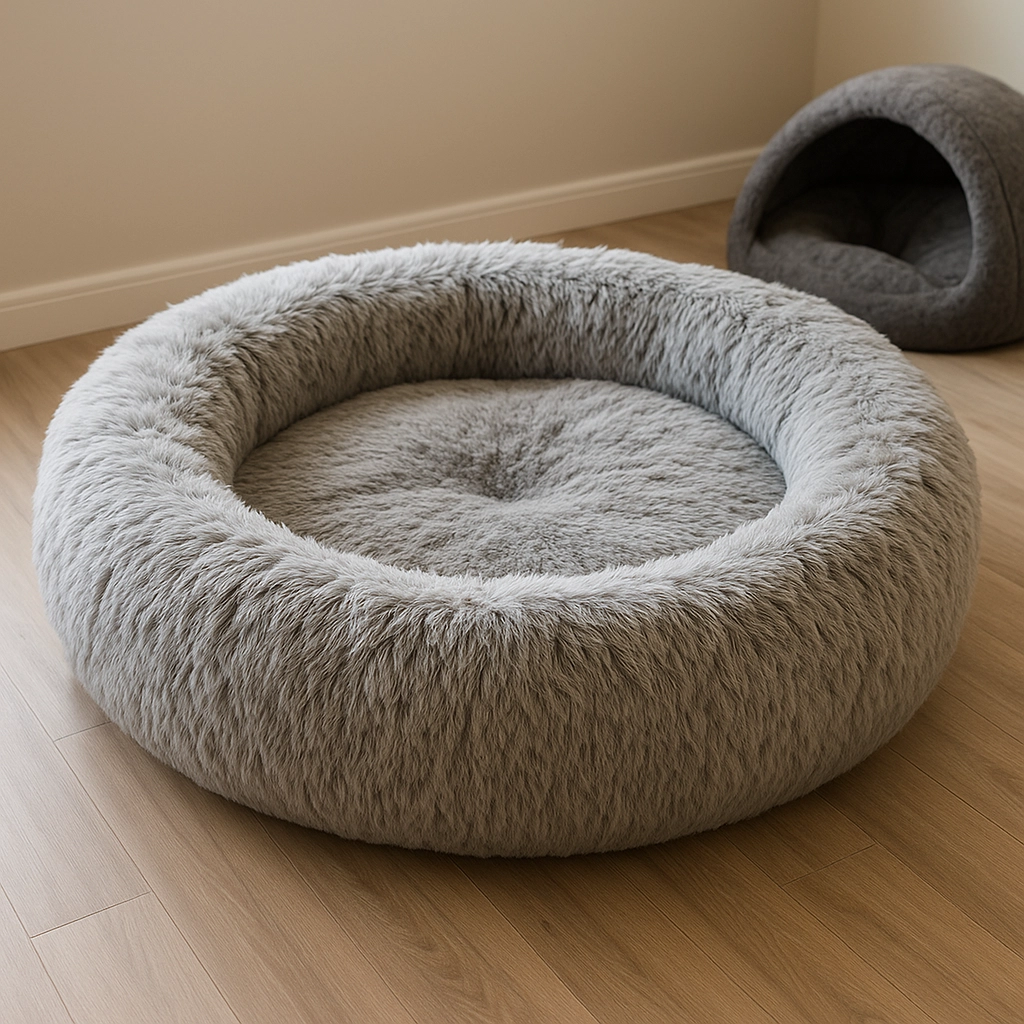
Why the Large Human Dog Bed Is Becoming the Next Big Trend in Comfort and Wellness
Introduction
In recent years, the global home-comfort industry has undergone a fascinating transformation. What began as a niche product inspired by pet furniture has now evolved into one of the most surprising lifestyle trends: the large human dog bed. Market demand has surged among young adults, remote workers, wellness enthusiasts, and even interior designers who look for practical yet playful relaxation solutions.
For manufacturers, retailers, and private-label brands, this trend represents a rare opportunity: a product category that is functional, emotionally engaging, and social-media friendly. At the same time, suppliers who already produce premium pet beds—such as the giant dog bed for humans or cozy options like the dog bed cave large—are uniquely positioned to scale production quickly.
This in-depth article explores how the trend developed, what consumers expect, how manufacturers innovate, and how brands can differentiate themselves in a rapidly expanding space.
1. The Rise of Human-Sized Dog Beds: Where Comfort Meets Emotion
Comfort As a Lifestyle Priority
The modern consumer places extraordinary emphasis on mental and physical comfort. Between demanding work routines, remote living, and digital fatigue, people increasingly seek objects that relieve stress and promote grounding. A human dog bed, oversized and plush, offers a comforting cocoon that mimics the warmth of pet furniture but is redesigned for adults.
Its appeal lies not only in softness but in the structured support that traditional beanbags or couches cannot provide. The raised bolsters create a sense of enclosure and weighted stability, encouraging relaxation, napping, reading, gaming, and even meditation.
The Viral Effect
The rise of human dog beds began on TikTok, where playful videos of people lounging in supersized pet beds quickly went viral. Young consumers embraced them as a whimsical alternative to standard seating, while wellness communities praised the grounding effect of resting in an enclosed, padded structure.
This viral momentum accelerated adoption among influencers, Twitch streamers, interior décor stylists, and home-office users—turning the product into a mainstream comfort item rather than a novelty.
Emotional Connection
One of the surprising appeals of human-sized dog beds is emotional comfort. Many pet owners feel bonded to their pets and appreciate furniture that mirrors their animals’ cozy spaces. Sitting in a large, bolstered bed evokes the same sense of protection and calm that pets enjoy—an idea that consumers instantly connect with.
2. How Premium Human Dog Beds Are Designed and Manufactured
Material Innovation
A high-quality human dog bed is engineered with the same principles used in orthopedic pet beds but strengthened for greater weight and durability. Manufacturers typically use:
-
High-density memory foam for body support
-
Orthopedic egg-crate foam for pressure relief
-
Overstuffed bolsters for stability
-
Ultra-soft microfiber or sherpa fabric
-
Durable, tear-resistant outer layers
-
Non-slip PVC bases for hardwood or tile floors
Better factories avoid cheap fillers and low-density foam that flatten quickly. Instead, they rely on premium material blends designed for long-term comfort.
Human-Grade Weight Support
Human dog beds must support a much higher weight range than pet beds. This influences the density, base structure, stitching methods, and reinforcement strategies manufacturers use. Top factories perform weight-pressure simulations to ensure:
-
Bolsters do not collapse
-
Seams resist tension and prolonged bending
-
Foam layers maintain elasticity
-
Bases stay stable without shifting
These engineering factors directly influence customer satisfaction and long-term durability—a critical concern for brands entering this category.
Ergonomic Structure
A well-designed human dog bed distributes weight evenly to relieve strain on the spine, hips, and shoulders. Manufacturers include:
-
Contoured bolsters
-
Expanded interior space for relaxed posture
-
Raised edges for grounding pressure
-
Thick, multi-layer bases for joint comfort
-
Breathable fabrics to prevent overheating
These features elevate the product from novelty to practical wellness furniture.
The Cozy Cave Design
The rising popularity of products like the dog bed cave large has influenced human-bed designs. Many brands now explore semi-enclosed cave structures for customers who prefer darker, quieter spaces that support sensory comfort. This trend is especially strong among:
-
Gamers
-
Neurodivergent adults
-
College students
-
People seeking deep-pressure relaxation
The cave-style design reflects a broader shift toward enclosed, nest-like comfort solutions.
3. Branding and Differentiation in the Human Dog Bed Market
Private-Label Opportunities
The human dog bed category is ideal for private-label customization due to its:
-
High visual impact
-
Viral social-media potential
-
Broad appeal across demographics
-
Compatibility with lifestyle branding
-
Large variation options in size, fabric, and color
Manufacturers allow brands to customize:
-
Fabric textures (sherpa, velvet, faux fur, suede)
-
Color palettes (neutrals, brights, gradients)
-
Foam density levels
-
Logo embroidery or silicone labels
-
Packaging for retail or e-commerce
-
Bolster height and bed shape (oval, round, rectangular)
This customization flexibility allows brands to target niche audiences—from minimalistic home decor shoppers to bold, playful Gen-Z markets.
Positioning for Wellness Consumers
With the rise of stress-relief products, human dog beds fit naturally into several lifestyle categories:
-
Mental wellness
-
Meditation spaces
-
Gaming comfort setups
-
Cozy reading areas
-
Home relaxation corners
-
Sensory-friendly environments
Brands that position the product around mental health and restorative comfort often see stronger engagement compared to purely humorous messaging.
Marketing Through Lifestyle Narrative
Successful brands lean into storytelling, such as:
-
“A sanctuary for adults who need a break.”
-
“Your personal cocoon for decompressing after long days.”
-
“The comfort of your dog’s bed—finally made for humans.”
Authentic lifestyle branding increases perceived value and encourages viral sharing.
4. What Retailers and E-commerce Sellers Should Look for in a Manufacturer
Quality Control Standards
Reliable manufacturers follow strict QC procedures:
-
Fabric tensile strength testing
-
Foam density verification
-
Bolster shape consistency checks
-
Zipper durability testing
-
Drop-test packaging approval
-
Final visual inspection before shipment
Factories that document each step deliver better consistency for large-volume orders.
Production Scalability
Demand for human dog beds is unpredictable but usually spikes after viral trends or influencer posts. Therefore, scalability is essential. Good factories can:
-
Handle MOQ flexibility
-
Ramp up production fast
-
Maintain stable material sourcing
-
Offer short lead times
-
Support mixed SKU orders
This prevents out-of-stock periods that could cost brands significant momentum.
E-commerce-Friendly Packaging
Large products require optimized packaging to minimize damage and shipping costs. Top manufacturers provide:
-
Vacuum-compressed foam technology
-
Reinforced corrugated boxes
-
Corner protection inserts
-
Moisture-resistant wrapping
-
Clear buyer assembly instructions
Good packaging improves customer satisfaction and reduces return rates.
5. Sustainability and the Future of Human Dog Beds
Eco-Friendly Materials
Consumers increasingly prefer sustainable fabrics such as:
-
Recycled polyester
-
Organic cotton blends
-
Low-impact microfiber
-
Recycled foam fillings
Factories that integrate eco-fabrics attract environmentally conscious buyers—a major segment of the market.
Low-Waste Manufacturing
Efficient factories reduce waste through:
-
Precision cutting
-
Foam recycling programs
-
Water-based adhesives
-
Solar-powered facilities
These practices also lower costs for brands over time.
Emerging Design Trends
Several innovations point to the future:
-
Modular human dog beds
-
Convertible cave structures
-
Heated or cooling interiors
-
Waterproof outdoor-friendly fabrics
-
Detachable bolster systems
-
Foldable travel designs
As the category matures, differentiation will depend on creativity and enhanced user experience.
Conclusion: Why the Trend Isn’t Going Away
The large human dog bed is far more than a viral gimmick. It reflects a broader cultural shift toward comfort-centric living, emotional wellness, and playful home design. For B2B buyers, retailers, and private-label brands, now is the perfect time to enter the category while demand continues to rise.
By partnering with reliable manufacturers, investing in ergonomic design, and building authentic lifestyle storytelling, brands can tap into a high-margin, fast-growing market with long-term potential.
0 Comments