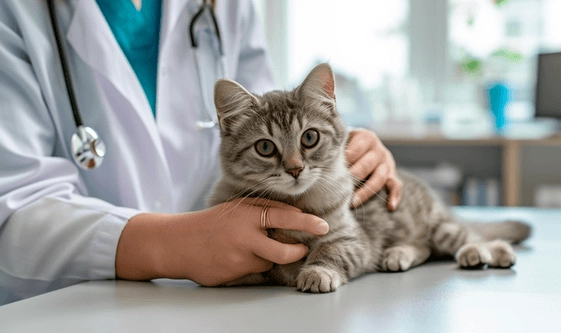
From puppyhood to senior years, pets go through different stages, each with unique health needs and concerns. As pet owners, it’s crucial to address these health issues based on the age and condition of our pets, ensuring that they live a healthy and happy life. From puppies’ nutritional requirements to elderly dogs’ joint care, each stage requires special attention. This article will explore the common health concerns for pets at different life stages and provide practical tips for care.
1. Puppyhood (Birth to 1 Year)
Puppyhood is a crucial stage for a pet’s development, as it involves the building of their immune system and body structure. The health issues that arise during this stage can impact their future growth, so proper care is essential.
Common Health Issues:
- Vaccination and Immunity: Puppies need to complete a series of vaccinations to protect them from common infectious diseases, such as canine distemper, parvovirus, and rabies.
- Parasite Control: Puppies are more susceptible to fleas, ticks, and intestinal parasites. Regular deworming and flea prevention are essential.
- Dietary Concerns: Puppies require specialized food to meet their higher nutritional needs for growth.
Health Care Tips:
- Regular vet checkups to ensure the puppy's immune system is developing properly.
- Provide high-quality puppy food to support growth and development.
- Maintain a regular deworming and flea control schedule.
2. Adulthood (1 to 7 Years)
Adulthood is the peak of a pet’s health, where they are usually at their most active and vibrant. However, it’s still important to monitor certain health issues during this phase.
Common Health Issues:
- Weight Management: Obesity is a significant concern for adult pets. Excess weight can lead to joint problems, diabetes, and other health issues.
- Dental Health: Adult pets are prone to dental diseases, including plaque buildup and gum disease.
- Exercise Injuries: Overexertion or improper exercise can cause joint or muscle injuries.
Health Care Tips:
- Monitor and control the pet’s food intake to maintain a healthy weight.
- Brush your pet’s teeth regularly and provide dental chews to prevent dental disease.
- Ensure a balanced exercise routine, avoiding excessive physical strain.
3. Middle Age (7 to 10 Years)
As pets enter middle age, they may begin showing signs of aging, and health issues related to aging begin to surface. This is when pet owners should be especially vigilant about their pet's health.
Common Health Issues:
- Joint Diseases: Many pets begin to show signs of arthritis, hip dysplasia, or joint degeneration.
- Weight Problems: A decrease in activity and metabolism can lead to obesity in middle-aged pets.
- Internal Organ Health: Some pets may start developing heart, liver, or kidney issues.
Health Care Tips:
- Introduce joint supplements, such as glucosamine and chondroitin, to support joint health.
- Keep track of your pet's weight and provide them with controlled meals and exercise.
- Schedule regular health checkups, particularly for heart and kidney function.
4. Senior Years (10+ Years)
In senior years, pets face significant aging-related health challenges. They require extra care and attention to maintain their quality of life. Many senior pets develop multiple health issues that require ongoing management.
Common Health Issues:
- Joint Degeneration and Mobility Issues: Arthritis and other joint problems become more severe, leading to pain and limited mobility.
- Cognitive Dysfunction Syndrome (CDS): Older pets may experience cognitive decline, leading to confusion, anxiety, and disrupted sleep patterns.
- Heart and Kidney Problems: Senior pets are at higher risk of heart disease, kidney failure, and other age-related issues.
- Dental Issues: Dental problems become more pronounced, leading to gum disease, tooth loss, and oral infections.
Health Care Tips:
- Provide low-impact exercise, such as walks or swimming, to keep their joints moving without adding extra strain.
- Adjust their diet to include food designed for senior pets, which supports heart and kidney health while maintaining a healthy weight.
- Regular veterinary checkups to monitor heart, kidney, and cognitive health.
- Spend more time with your senior pet to address anxiety and keep them mentally engaged.
Conclusion:
From puppies to seniors, pets’ health management requires constant care and attention at each life stage. Every stage has its own specific health concerns, and as pet owners, we must provide the right nutrition, exercise, and medical attention to ensure that our pets live a long, healthy, and happy life. By monitoring and addressing these health issues as pets grow older, we can help them thrive throughout their lives and avoid potential health problems.
Furvorite is a high-end pet products manufacturer. We have a series of pet health, travel and weight loss products. If you are interested in these products and want to solve health problems for your pets, please contact us. We can provide you with customized services or one-stop service.
0 Comments