Introduction
Over the last decade, pet ownership has shifted from a simple responsibility into a culture of love, personalization, and lifestyle enhancement. Cats, once considered more independent and less likely to need human-designed accessories, are now at the forefront of the booming pet fashion industry. Among the countless accessories available, custom cat clothes have gained remarkable attention. Not only do these products reflect the affection owners feel for their pets, but they also serve practical purposes such as warmth, protection, and comfort.
This article will explore the evolution of cat apparel, the growing demand for tailored solutions, and how pet clothes for cats factory and larger pet clothes for cats factories are shaping the global supply chain. We will also discuss the future of personalization and why businesses should not ignore this thriving niche.
1. From Functionality to Fashion: The Journey of Cat Apparel
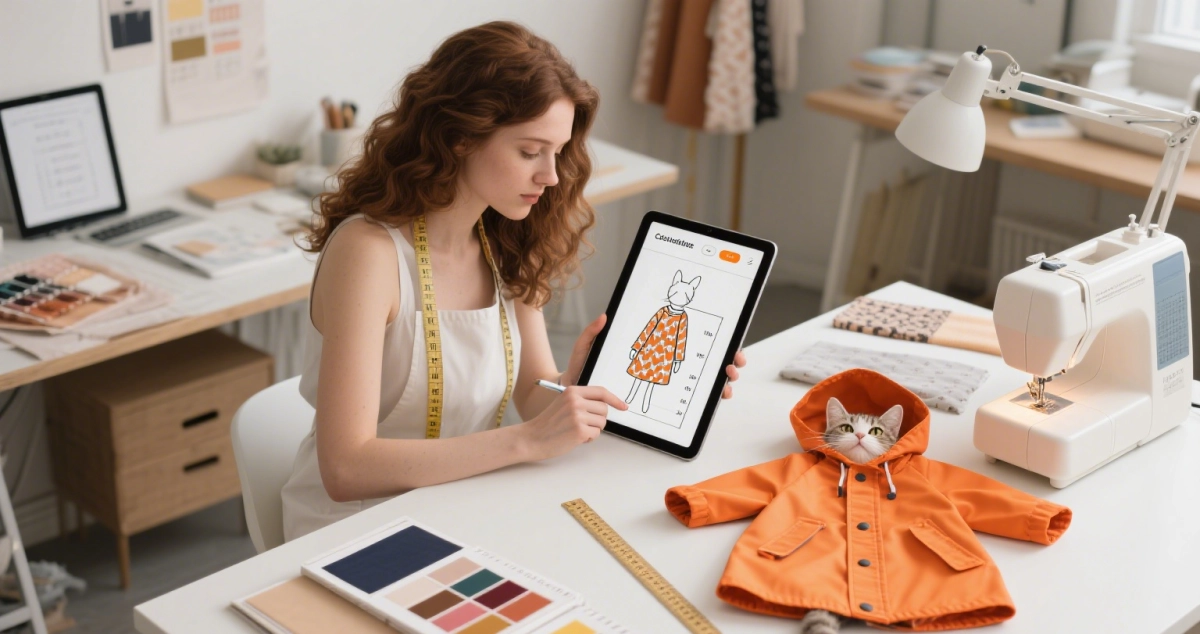
Pet clothing has existed for centuries, primarily for dogs, but the emergence of tailored apparel for cats marks a significant shift. Initially, cat clothes were designed for winter warmth, especially for hairless breeds like Sphynx cats. Over time, these garments evolved into fashionable items, allowing pet parents to match their own style with their furry companions.
The growing urban pet population, particularly in North America, Europe, and Asia, has driven this demand further. Today, buyers expect not only functionality but also uniqueness. This is where customization steps in—owners seek garments that align with their cat’s personality, from playful prints to elegant fabrics.
Businesses that recognize this transformation are positioned to capture a lucrative market. Offering wholesale options and customization ensures scalability, appeal to different consumer demographics, and long-term brand loyalty.
2. Why Customization Matters in the Pet Apparel Industry
Personalization is no longer a luxury; it is an expectation. The millennial and Gen Z consumer bases, which now make up the majority of pet owners, are driven by the need for individuality and self-expression. When they shop for cat clothes, they are not simply buying fabric—they are investing in a reflection of their identity and their pet’s unique personality.
Key factors driving customization include:
-
Practical Needs: Cats come in diverse body types, requiring tailored fits for comfort and mobility.
-
Emotional Connection: Owners view custom clothing as a way to show care and strengthen their bond.
-
Aesthetic Expression: Matching outfits, seasonal fashion, or occasion-specific attire give pets a unique presence in social media content.
For businesses, customization introduces higher profit margins. Retailers that collaborate with specialized pet clothes for cats factory suppliers can offer made-to-order pieces that stand out from mass-produced apparel. On the production side, factories investing in digital printing, eco-friendly fabrics, and flexible supply chain models can scale quickly to meet global demand.
3. The Role of Factories in Scaling Cat Clothing Trends
Behind every chic cat sweater or festive costume is a robust supply chain managed by pet clothes for cats factories. Their role is vital—not only do they produce large volumes at competitive prices, but they also facilitate customization through modern manufacturing technologies.
Factories specializing in pet apparel now utilize:
-
3D Tailoring Software for accurate sizing and fit.
-
Digital Fabric Printing for fast, personalized design replication.
-
Eco-Friendly Materials that align with consumer demands for sustainability.
-
Flexible MOQs (Minimum Order Quantities) for small businesses or niche brands.
Working with the right factory enables B2B buyers to avoid the pitfalls of inconsistent quality or delayed shipping. Moreover, strong factory partnerships create opportunities for long-term growth, whether by expanding product categories (like accessories, beds, or collars) or scaling to new markets.
4. Market Growth and Business Opportunities
The global pet apparel market is projected to exceed $7 billion by 2030, with cat-specific products gaining a larger share. This growth is tied to three driving forces:
-
Pet Humanization: Owners increasingly treat pets like family members.
-
Social Media Influence: Instagram, TikTok, and YouTube are flooded with cats in trendy clothes, fueling aspirational purchases.
-
E-Commerce Expansion: Direct-to-consumer channels and B2B platforms simplify global trade.
For wholesalers, retailers, and entrepreneurs, investing in custom cat clothes provides a clear path to differentiation. By offering tailored solutions and building relationships with reliable factories, businesses can stay ahead of competitors in a rapidly evolving market.
5. The Future of Pet Apparel: Sustainability and Technology
Beyond fashion, the future of cat clothing is being shaped by sustainability and technology. Eco-conscious fabrics such as organic cotton or recycled polyester are becoming mainstream. Simultaneously, digital supply chain solutions allow for quicker turnaround and reduced waste.
AI-driven sizing tools, virtual fitting apps, and personalized recommendation engines will also redefine how customers shop for their pets. By blending innovation with tradition, the industry is preparing for an era where every cat outfit is both stylish and sustainable.
Conclusion
The pet apparel market, particularly for cats, is no longer a passing trend—it is a global business opportunity. Custom cat clothes bridge functionality, fashion, and emotional connection, while pet clothes for cats factory and pet clothes for cats factories play a critical role in scaling these opportunities for businesses worldwide.
For companies willing to invest in personalization, quality partnerships, and sustainable innovation, the potential is vast. The era of cats in couture has only just begun, and it is reshaping the future of the pet industry.
0 Comments