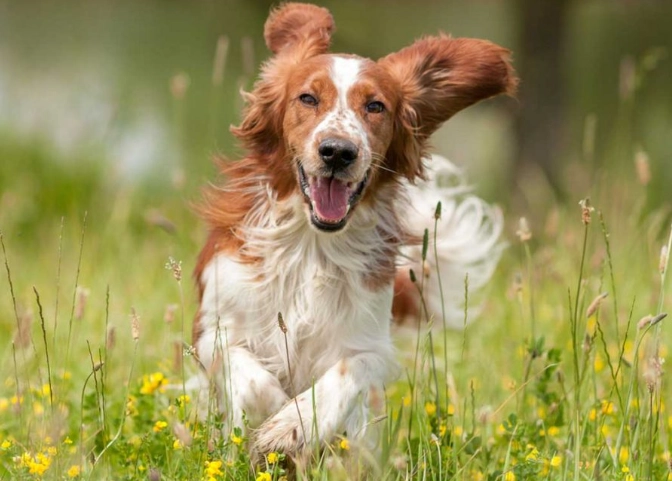
Dogs are beloved members of our families, and their health and happiness are of utmost importance. However, since dogs cannot verbalize their discomfort, pet owners must learn to observe and recognize potential health issues. This guide will help you identify common problems and implement preventive measures to keep your furry friend healthy and thriving.
How to Recognize Health Issues in Dogs?
1.Behavioral Changes
Dogs often express their health through changes in behavior. Lethargy, reduced activity, loss of appetite, or increased restlessness and barking can be early signs of health issues.
Tips:
- Monitor daily behavior and note any irregularities.
- If unusual behavior persists, consult a veterinarian promptly.
2. Changes in Eating Habits
A sudden increase or decrease in appetite may indicate digestive, endocrine, or dental health issues. Abnormal changes in water intake can also signal kidney problems or diabetes.
Tips:
- Maintain a consistent diet and avoid frequent food changes.
- Regularly check your dog's dental health to prevent gum disease.
3. Skin and Coat Condition
A healthy dog has smooth skin and a shiny coat. Hair loss, itching, redness, or dandruff could indicate parasitic infections, allergies, or nutritional deficiencies.
Tips:
- Groom your dog regularly and check for skin issues.
- Use appropriate pet grooming products to keep the coat clean and healthy.
4. Changes in Mobility
Limping, slower movement, or reluctance to jump may signal joint or muscle issues. Older dogs are particularly prone to conditions like arthritis or other mobility disorders.
Tips:
- Ensure daily exercise in moderation to keep joints flexible.
- Consider joint supplements for aging dogs to maintain mobility.
5. Abnormal Bowel or Urination Habits
Your dog’s waste can reveal a lot about its health. Diarrhea, constipation, or unusual urine color could indicate gastrointestinal, kidney, or urinary tract issues.
Tips:
- Observe the color, shape, and frequency of bowel movements.
- If abnormalities persist for more than two days, visit a vet.
Key Health Areas for Pet Owners to Focus On
1.Regular Health Checkups
Annual veterinary checkups are crucial for early detection of hidden health problems such as heart disease, parasite infestations, and dental issues.
Tips:
- Schedule a comprehensive health exam at least once a year.
- Stay up-to-date with vaccinations and deworming.
2. Balanced Nutrition
Good nutrition forms the foundation of a dog’s health. Each breed and life stage requires different dietary considerations.
Tips:
- Choose food based on your dog’s age, weight, and activity level.
- Supplement the diet with essential vitamins and minerals as needed.
3. Mental Health and Behavior Management
A dog’s mental well-being is just as important as its physical health. Long periods of loneliness or lack of interaction can lead to anxiety, depression, or behavioral issues.
Tips:
- Spend time interacting with your dog daily through games and training.
- Provide toys and safe spaces to keep your dog mentally stimulated.
4. Weight Management
Obesity is a common health concern in dogs and increases the risk of joint, heart, and metabolic disorders.
Tips:
- Limit treats and maintain a consistent feeding schedule.
- Ensure your dog gets enough exercise daily.
5. Special Health Needs
Certain breeds are more prone to specific health issues, such as breathing difficulties in brachycephalic breeds or joint problems in large breeds.
Tips:
- Learn about breed-specific risks and take preventive measures.
- Provide tailored care for dogs with special needs.
Handling Emergency Health Issues
Pet owners should also be able to recognize and act quickly in emergencies, such as poisoning, injuries, or severe vomiting.
Tips:
- Keep a pet first-aid kit at home, including essentials like antiseptic and bandages.
- Familiarize yourself with nearby emergency veterinary clinics and their contact details.
Conclusion: A Healthy Life for Your Dog
Your dog’s health directly affects its quality of life and lifespan. As a pet owner, recognizing potential health issues and taking preventive action ensures your dog lives a happy and healthy life. From diet and exercise to mental well-being, paying attention to your dog’s needs can make all the difference.
Take Action: Start observing your dog’s health today, and create a care routine that supports their well-being at every stage of life!
0 Comments