Understanding Hip Dysplasia in Dogs
Hip dysplasia is one of the most common orthopedic conditions affecting dogs, especially larger breeds like Labradors, German Shepherds, and Golden Retrievers. It occurs when the hip joint doesn’t fit properly into its socket, causing pain, stiffness, and difficulty walking. Over time, this misalignment can lead to arthritis, loss of mobility, and muscle atrophy if left untreated.
Recognizing the early symptoms—such as limping, reluctance to jump, or changes in gait—can make a world of difference in your dog’s quality of life. That’s where a hip dysplasia brace for dogs comes in, offering non-surgical support that can significantly enhance comfort and stability.
What Makes a Hip Dysplasia Brace Effective?
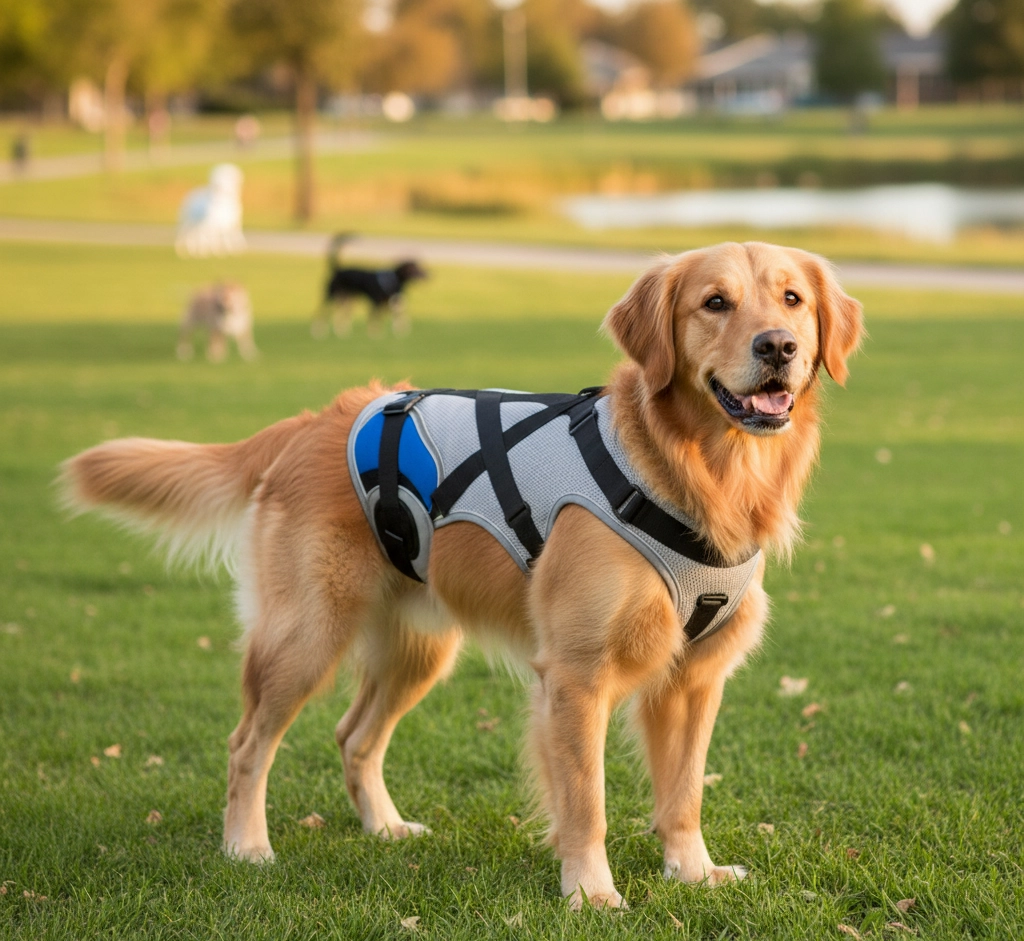
A brace for hip dysplasia in dogs works by gently compressing and stabilizing the hip joints, redistributing weight to reduce strain and pain. The best designs are made of breathable, flexible materials that allow dogs to move naturally while maintaining joint alignment.
Some advanced braces feature adjustable straps, ergonomic padding, and lightweight construction—ideal for daily wear, even during playtime or walks. They’re not just medical devices; they’re mobility aids designed to help dogs regain their freedom and confidence.
Veterinarians often recommend pairing these braces with physical therapy or hydrotherapy to maximize muscle strength and joint health. By offering external support, braces help maintain hip integrity while reducing inflammation and improving circulation.
The Benefits of Using the Best Hip Brace for Dogs
For pet owners, the transformation can be remarkable. Dogs that once struggled to stand or climb stairs often regain their energy and enthusiasm within weeks.
-
Pain Relief: Constant joint pressure is alleviated, reducing the need for pain medication.
-
Improved Mobility: Dogs can walk, run, and play more comfortably with balanced weight distribution.
-
Post-Surgery Recovery: Braces also support rehabilitation following surgery or injury.
-
Long-Term Joint Protection: Prevents further deterioration by stabilizing the hip joint.
A best hip brace for dogs provides an affordable, non-invasive alternative to surgery—making it a practical choice for both young dogs with early-stage dysplasia and senior dogs with chronic hip conditions.
Choosing the Right Brace for Your Dog
When selecting a brace, prioritize:
-
Size & Fit: A snug but comfortable fit ensures proper support without restricting motion.
-
Material Quality: Opt for breathable, durable fabrics resistant to wear and tear.
-
Ease of Use: Quick-release buckles and adjustable straps simplify daily application.
-
Veterinary Guidance: Always consult your vet to ensure the brace suits your dog’s condition and activity level.
Remember, consistency is key—dogs adapt best when they wear their brace regularly during active hours.
Real-Life Transformations
Many pet owners share inspiring success stories. A senior retriever once unable to walk long distances now enjoys daily park visits. Another young husky diagnosed with mild dysplasia resumed agility training after weeks of brace-assisted exercise. These stories highlight the life-changing potential of supportive care.
With the right hip dysplasia brace for dogs, you’re not just giving your pet a mobility tool—you’re restoring their independence and joy of movement.
0 Comments