Introduction
For businesses in the pet care industry, having a thorough understanding of common leg conditions in dogs is essential. This knowledge helps in providing better care and ensuring the overall well-being of dogs. This blog post will discuss prevalent leg conditions in dogs and offer insights into effective support solutions to keep your canine clients active and healthy.
Common Leg Conditions in Dogs: Causes and Management
Arthritis Arthritis is a widespread issue in dogs, characterized by joint inflammation and degeneration, leading to pain, stiffness, and decreased mobility. Factors such as age, genetics, and lifestyle contribute to the development of arthritis. Management strategies include maintaining an optimal weight, moderate exercise, medications, supplements, and using dog braces like those offered by Furvorite to provide joint support and alleviate pain.
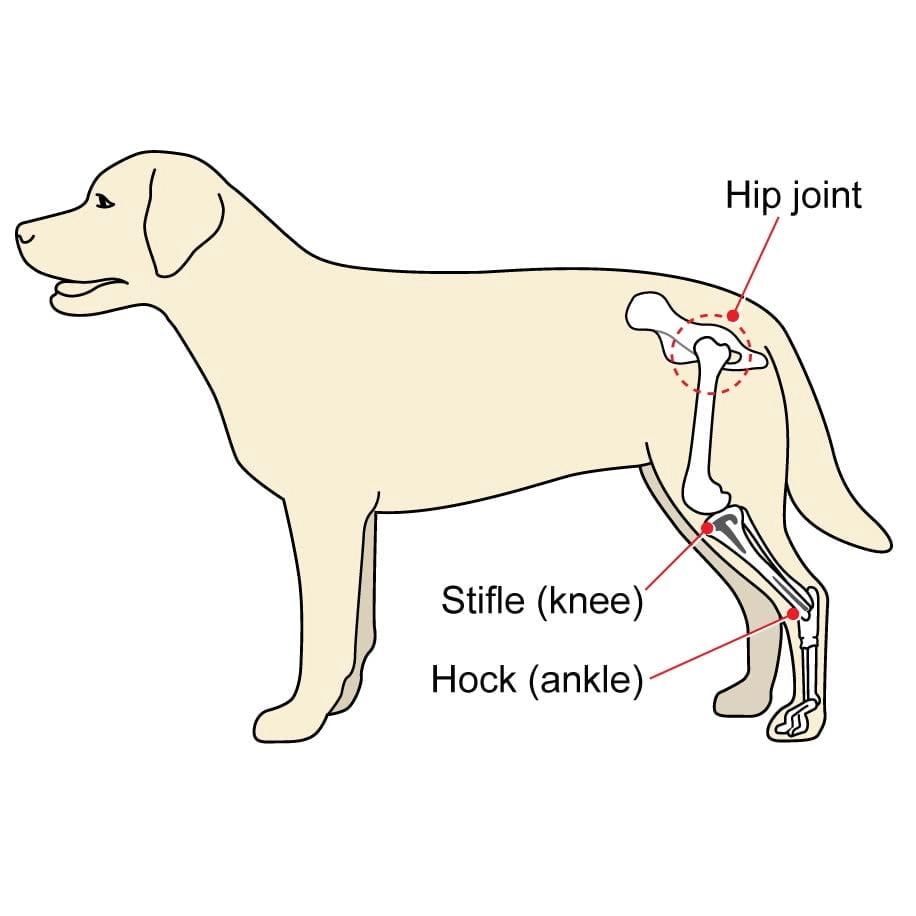
Hip Dysplasia Hip dysplasia is a common condition, particularly in larger breeds, where the hip joint develops abnormally, causing instability and discomfort. Symptoms include difficulty standing, lameness, and pain. Effective management includes early detection, maintaining a healthy weight, and proper exercise. In severe cases, surgical intervention may be necessary. Furvorite’s hip braces help support and relieve discomfort, enhancing mobility.
Cruciate Ligament Tears The cruciate ligament is crucial for stabilizing the knee joint. When torn, it causes pain, lameness, and difficulty walking. This injury can range from partial tears to complete ruptures. Treatment depends on the severity and includes rest, physical therapy, medication, and, in severe cases, surgery. Proper rehabilitation with the use of knee braces is vital for recovery.
Recognizing Symptoms of Leg Conditions
Early identification of leg conditions is crucial for effective management. Be on the lookout for these symptoms:
- Limping or favoring one leg
- Stiffness, especially after resting
- Swelling or inflammation
- Reluctance to engage in physical activities
- Changes in gait or difficulty standing
Preventive Measures for Healthy Dog Legs
Proper Nutrition and Weight Management Keeping a healthy weight reduces joint stress. Including joint supplements in the diet can support joint health.
Regular Exercise and Physical Activity Regular, low-impact exercise helps maintain joint mobility and muscle strength. Avoid activities that stress the legs, especially in breeds prone to joint issues.
Regular Veterinary Check-Ups Annual veterinary check-ups help detect joint problems early. Vets can provide breed-specific guidance to prevent joint conditions.
How Furvorite’s Braces Support Leg Health
Furvorite offers advanced braces designed to support and stabilize joints, aiding in healing and improving mobility.
Support and Stabilization Braces provide crucial support, allowing for natural movement while preventing further damage.
Promoting Healing Braces help in the healing process by providing necessary support to injured joints, tendons, and ligaments.
Maintaining Function In cases of permanent impairment, braces help maintain functional movement, ensuring a good quality of life for the dog.
When to Consult a Veterinarian
If any symptoms of leg conditions are noticed, it's essential to consult a veterinarian for diagnosis and treatment. Treatment options may include:
- Medications for pain and inflammation
- Physical therapy to strengthen muscles and maintain mobility
- Surgical interventions for severe injuries
Conclusion
Understanding and addressing leg conditions in dogs is crucial for their health and well-being. Early identification, preventive measures, and the use of Furvorite’s braces ensure that your canine clients stay active and healthy. Partner with Furvorite to offer top-quality, supportive products tailored to your clients' needs, helping their dogs maintain mobility and comfort.
Contact us today to explore our range of innovative solutions and learn how we can support your business and your clients' pets.
0 Comments