Introduction to obesity in cats and dogs
Obesity is a growing concern for pets worldwide. it's important to understand how to identify if your cat or dog is overweight and what the potential health risks entail.
Defining obesity
For cats, an ideal body condition score (bcs) between 4/9 and 6/9 indicates a healthy weight. anything below 4/9 suggests underweight, while scores above 6/9 indicate obesity. For dogs, a bcs of 5/9 to 6/9 is considered normal; numbers below this range are underweight, and those above suggest obesity. However, it's crucial to consult with veterinarians for accurate assessments tailored to each pet's breed and size.
Factors contributing to obesity
1.Diet
High-calorie foods
Frequent intake of high-calorie treats and meals can lead to excess energy storage as fat.
2.Overfeeding
Providing more food than necessary can contribute to weight gain.
3.Lack of exercise
Sedentary lifestyles can result from indoor living or limited access to outdoor activities.
4.Genetics
Some breeds are predisposed to weight gain due to their natural.
5.Age and health conditions
Older pets have slower metabolic rates, while certain medical conditions can affect appetite and activity levels.
Health risks associated with obesity in cats and dogs
Obesity poses significant health risks for pets, including:
1.Diabetes mellitus
Pets with excess weight are at increased risk of developing type 2 diabetes.
2.Cardiovascular diseases
The extra weight places strain on the heart, increasing the risk of heart disease.
3.Joint problems
Arthritis and other joint issues are exacerbated by carrying extra weight.
4.Respiratory issues
Obesity can worsen existing respiratory problems like asthma.
5.Liver disease
Excessive fat accumulation can lead to liver damage or fatty liver disease.
Practical tips for effective weight management in cats and dogs
Dietary modifications
1.Reduce portion sizes: feed smaller meals but increase frequency to maintain a balanced caloric intake throughout the day.
2.Select low-calorie alternatives: Choose high-protein, low-fat foods that satisfy hunger without adding unnecessary calories.
3.Limit treats: Restrict treats to occasional rewards and opt for healthier options like fresh fruits or vegetables.
Promote physical activity
1.Consistent exercise routines: Incorporate daily walks or play sessions into your pet's routine. Use interactive toys or training sessions to keep them engaged.
2.Interactive playtime: Engage in playful interactions that encourage movement, such as chasing games or fetching games with toys.
3.Safe environments: Ensure that any outdoor areas are secure and safe for your pet to explore freely without risk of injury or escape.
Professional guidance when needed
If lifestyle changes alone do not yield results, seek advice from a veterinarian who may recommend prescription diets or other medical interventions. They may also provide guidance on using supplements or medications under their supervision.
Introducing treadmills for exercise in cats and dogs
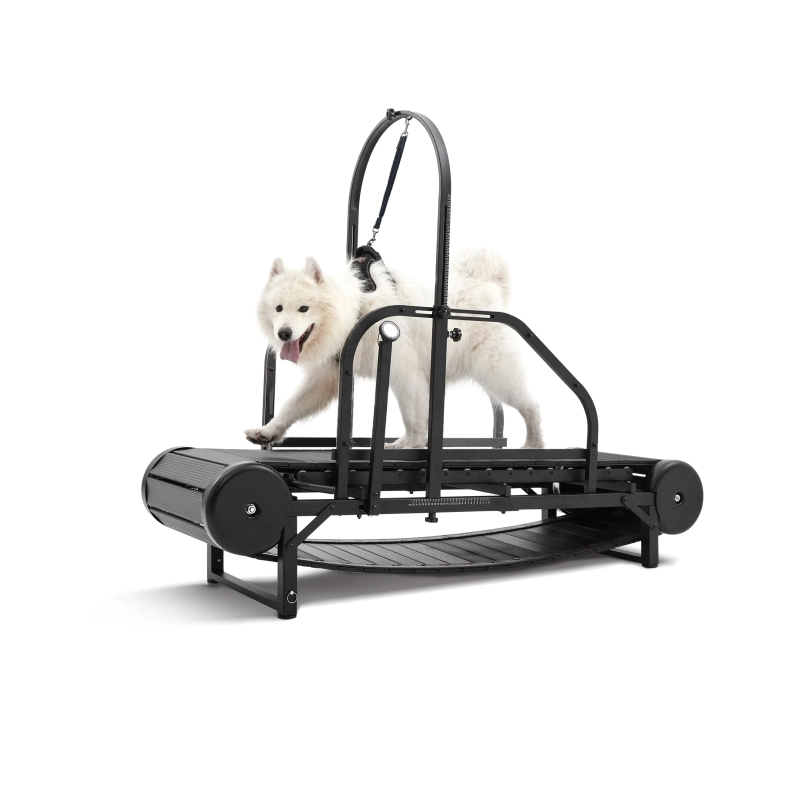
Treadmills offer a controlled environment for exercising your pets safely at home. here’s what you need to know:
Types of treadmills available for pets
Pet treadmills: Designed specifically for small animals like cats and dogs, often featuring lower speed settings suitable for their unique needs. They might include safety features like automatic shutoff if a pet steps off the moving belt or sensors that prevent the belt from turning if no pet is present.
Cat treadmill and dog treadmill: These models are specially crafted for different species, taking into account their unique physiological characteristics and exercise preferences. Some even have built-in scratching posts or interactive elements to keep pets engaged during their workouts.
How to safely introduce treadmills to your pets
1.Gradual introduction: Start by allowing your pet to observe the treadmill from a distance, then gradually get them accustomed to its presence by placing treats near the machine before starting it. Once comfortable, gently place your pet on the treadmill and supervise closely until they become familiar with walking on it.
2.Monitor progress regularly: Keep track of how your pet reacts to the treadmill and adjust the speed or duration accordingly based on their comfort level and fitness goals. Always ensure that your pet has plenty of water available nearby and take regular breaks as needed.
3.Safety measures: Never leave your pet unattended on a treadmill, especially if they are prone to jumping off or getting frightened by unexpected movements. Consider installing barriers or using shock collars specifically designed for pet treadmills to discourage jumping off without causing harm.
If you want to ask questions about treadmills, please contact us.
0 Comments