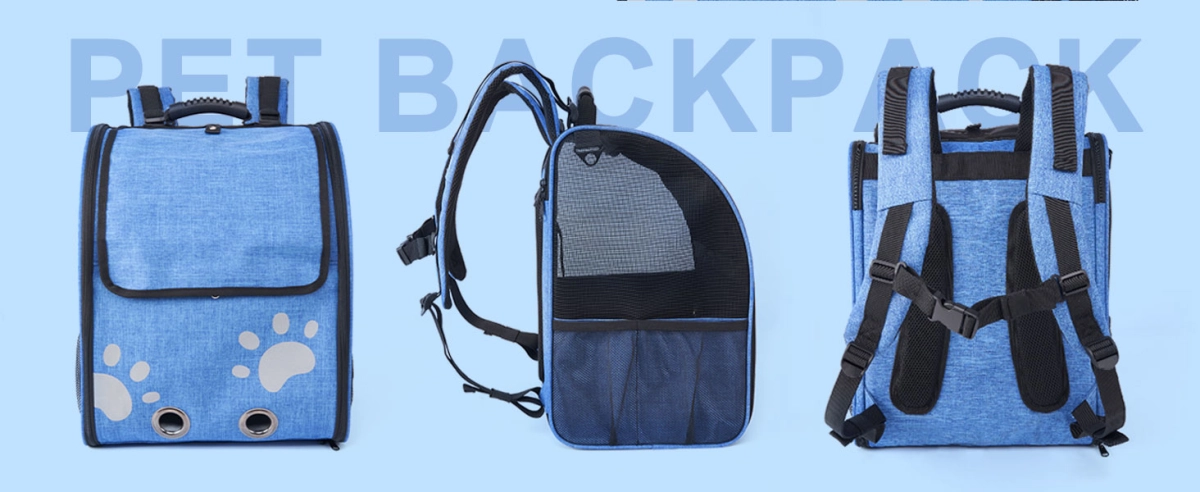
Why Custom Dog Carriers Matter in Today’s Pet Market
The global pet market is booming, with dog owners seeking more convenient, safe, and stylish ways to travel with their pets. For businesses in the pet product sector, offering custom dog carriers has become an effective way to stand out. Personalized carriers not only meet diverse consumer preferences but also boost brand recognition. For B2B buyers, this means more than just aesthetics—custom carriers can support private label expansion and long-term customer loyalty.
Materials & Design: Choosing the Right Specs
Functionality is key in pet carrier design. A custom dog carrier should balance light weight with durable, breathable materials such as mesh panels, reinforced stitching, and padded interiors. Ergonomic straps, collapsible structures, and airline-compliant sizing are also critical. Bulk buyers should work closely with suppliers or manufacturers to define preferred design specs in line with market trends, including carriers with expandable sides, built-in bowls, and waterproof linings.
To create a complete travel kit, consider bundling with custom dog collars and accessories that reflect the same color scheme and quality standards. Adding identification through a dog tag custom feature can also enhance pet safety and owner peace of mind.
Airline & Travel Standards for B2B Compliance
With more pet owners flying with their dogs, it's vital to offer airline-approved custom carriers. Understanding IATA guidelines for in-cabin pet travel can help manufacturers tailor designs that fit under seats while providing adequate ventilation. B2B clients benefit from partnering with OEM/ODM factories familiar with TSA and FAA travel requirements to avoid returns and increase customer satisfaction.
Factory & Supplier Selection Process
A reliable factory partner is essential. Look for certifications (ISO, BSCI), transparent production processes, and the ability to handle OEM and ODM orders. Visit the factory or request third-party audits. Choose a dog carrier manufacturer that offers low MOQ and flexibility for design customization. This helps emerging brands or new product lines test the market without overcommitting to high inventory costs.
Bulk Production & Logistic Considerations
When scaling up, consider how product packaging, shipping methods, and lead times affect your delivery goals. Work with a factory that understands international trade regulations and can help optimize logistics. Opt for bulk packaging where appropriate to reduce per-unit costs. Ensure your supplier offers clear timelines and scalable production capacity.
Smart Custom Options for Resellers
For distributors and retailers, custom options make your offerings stand out. Add logo printing, custom fabric colors, or exclusive pattern designs. Personalized labeling, branded hangtags, and QR-coded instructions enhance your brand image. Look for manufacturers that provide 1-on-1 design support and small test runs for personalized designs.
0 Comments