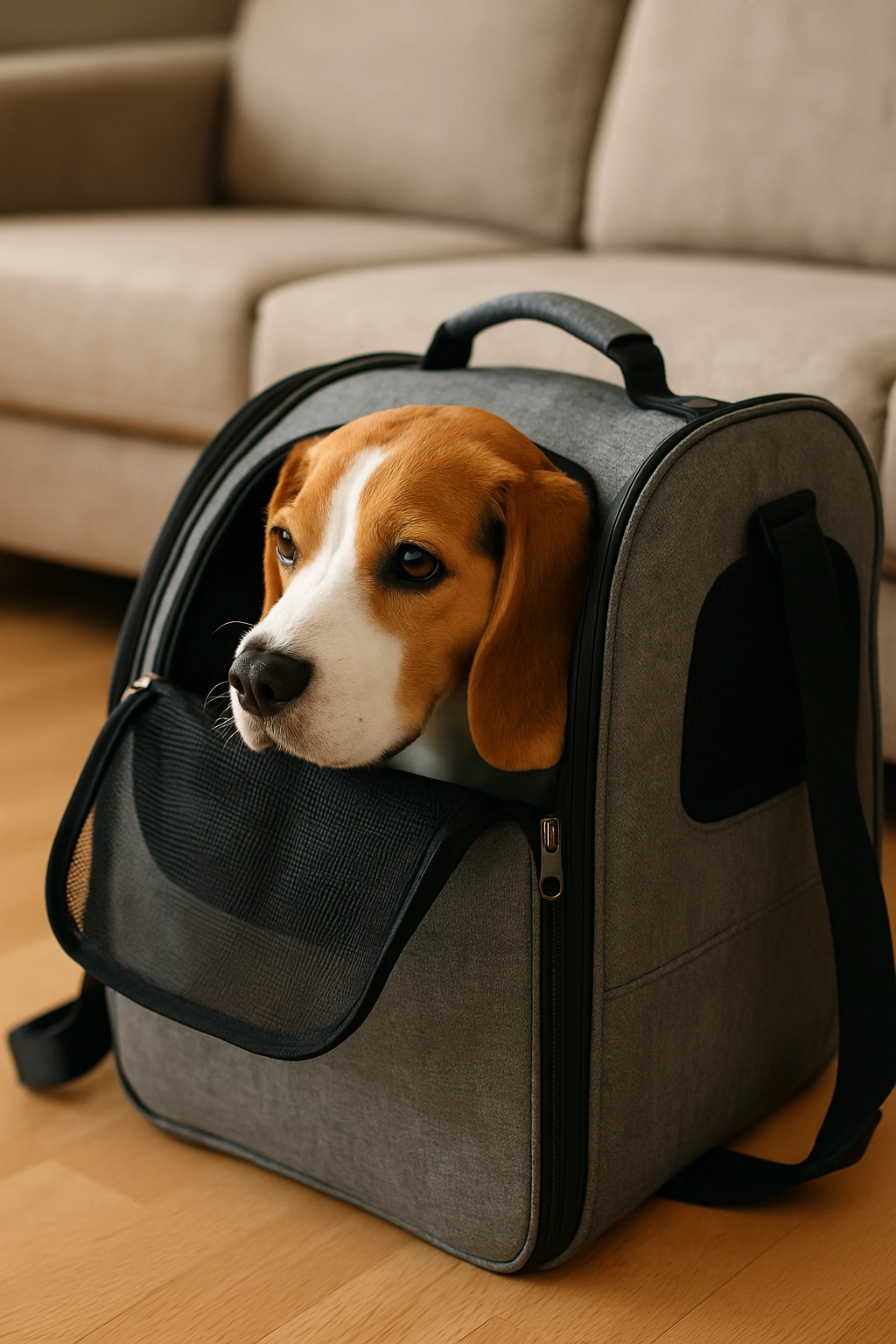
�� Inside the New Era of Pet Carrier Manufacturers: Engineering Comfort, Safety, and Customization for Modern Pet Travel
There is a quiet revolution happening inside factories, design studios, and sourcing departments across the pet industry. It’s not about toys, grooming tools, or even food. It’s about mobility—how cats and dogs move through the world with us. And at the center of this shift stand pet carrier manufacturers, a group of product innovators redefining what it means to travel with animals.
Pet travel is no longer a niche category; it has matured into a global demand shaped by lifestyle changes, relocation trends, remote work flexibility, and the rising emotional importance of pets in the modern household. Whether consumers are searching for an airline approved cat carrier, an ergonomic everyday travel solution, or a custom cat carrier engineered around specific needs, the expectations placed on manufacturers have never been higher.
This article takes an unconventional approach to exploring the industry—peeling back the layers of engineering, consumer psychology, B2B manufacturing realities, and future innovation. Instead of simply listing features, we follow the journey of a carrier from ideation to execution, mapping how form, function, and personalization converge.
◆ I. The World That Built the Demand: Understanding Why Carriers Matter More Than Ever
Before talking about factories or specifications, we need to understand the market forces shaping this product category.
1. Pets Have Become True Travelers
Cats fly internationally. Dogs take weekend road trips. Pet parents move cities and countries for work. The idea of leaving a pet behind feels outdated—and emotionally unacceptable. Travel carriers became essential, not optional.
2. Humans Demand Style and Function
The modern consumer expects:
-
Neutral tones
-
Minimalist silhouettes
-
Lightweight but durable builds
-
Private-label aesthetic quality
The pet carrier is now part of a curated lifestyle picture, not just a transport tool.
3. Airlines Became Gatekeepers
Air travel regulations pushed manufacturers to rethink design standards. An airline approved cat carrier must meet exact specifications—ventilation, dimensions, closures, structural compliance—forcing factories to engineer with precision.
4. Customization Is No Longer a Luxury
Consumers want:
-
Name embroidery
-
Color personalization
-
Adjustable visibility options
-
Modular add-ons
This is where custom cat carrier manufacturing surged, driven by a desire for identity and tailored comfort.
◆ II. What Really Happens Inside a Pet Carrier Factory: A Look Behind the Curtain
A good carrier looks simple. A great carrier is deceptively complex.
1. Material Selection Is a Science
Manufacturers must navigate durability, breathability, and comfort simultaneously. That means choosing:
-
High-density Oxford cloth
-
Scratch-resistant mesh
-
EVA or ABS structural shells
-
Memory-foam or microfiber pads
-
Reinforced zipper tracks
Each decision impacts safety, longevity, and airline compliance.
2. Human–Pet Ergonomics Drive the Blueprint
Factories increasingly use anthropometric data—not just human measurements, but animal posture studies:
-
Curved sleeping positions
-
Shoulder width variations
-
Weight distribution when anxious
-
Ventilation mapped against fur density
The result is a shape crafted around feline and canine comfort.
3. Precision Manufacturing for Airline Standards
To pass the airline test, manufacturers must guarantee:
-
Frame flexibility without collapse
-
Secure locking zippers
-
Non-toxic materials
-
Under-seat compatibility
-
360-degree ventilation
What looks like a cute little bag is actually a mobility device engineered to withstand turbulence, vibration, pressure, and noise.
4. Quiet Craftsmanship: Stitching and Assembly
The best factories use:
-
Automated laser cutting
-
Binding reinforcement
-
Double-stitched stress points
-
Mesh tension calibration
-
Non-slip interior surfaces
This prevents tearing, sagging, and zipper failures—common issues in budget carriers.
◆ III. Customization: The Feature That Turned Manufacturers Into Design Partners
Customization shifted the power dynamic. Manufacturers are no longer mere producers; they are co-designers.
1. Personalized Builds for Brand Differentiation
Brands request:
-
Exclusive color palettes
-
Custom dimensions
-
Premium trims
-
Embossed logos
-
Window configuration changes
A custom cat carrier becomes a signature product instead of a generic one.
2. Behavior-Based Personalization
Manufacturers now design for specific feline personalities:
-
For nervous cats: privacy hoods
-
For curious cats: panoramic mesh
-
For large breeds: reinforced floors
-
For high-fliers: airline-specific comfort padding
Behavior dictates engineering.
3. Packaging Customization
Retail buyers increasingly want:
-
Unboxing experiences
-
Eco-friendly packaging
-
Private-label branding elements
Manufacturers adapt not only the product—but the entire customer journey.
◆ IV. Wholesale Reality: The Challenges and Expectations of Large-Scale B2B Orders
Factories offering wholesale cat carriers operate under different pressures than boutique producers.
1. Consistency at Scale
The biggest challenge? Uniformity. Retailers expect thousands of carriers to match perfectly in:
-
Stitch density
-
Mesh transparency
-
Panel thickness
-
Zipper glide strength
-
Color consistency
Any deviation becomes a customer complaint.
2. Lead Times and Efficiency
Bulk buyers prioritize:
-
Fast prototype approval
-
Reliable lead times
-
Scalable production lines
-
Transparent quality control
Manufacturers must balance speed with precision.
3. Certification and Compliance
Beyond airline rules, global markets require:
-
REACH compliance
-
CPSIA safety standards
-
Non-toxic dyes
-
Factory social audits
Compliance is now a selling point.
◆ V. The Future: How Next-Generation Pet Carrier Manufacturers Will Transform the Industry
The next decade is shaping up to be revolutionary.
1. Intelligence in Carriers
We will soon see:
-
Temperature-regulation sensors
-
Motion-calming vibration pads
-
GPS-integrated travel logs
-
App connectivity
Carriers will evolve into smart mobility hubs.
2. Hybrid Structures
Future carriers will combine:
-
Hard-shell stability
-
Soft-sided flexibility
-
Modular expansion zones
Think: suitcase engineering meets pet ergonomics.
3. Sustainability Domination
Eco-materials will become the industry standard:
-
Recycled PET
-
Plant-based insulation
-
Vegan leather trims
Green innovation will shape brand value.
4. Aesthetic Collaboration
Fashion brands may enter the category, resulting in:
-
Capsule design collections
-
Co-branded luxury carriers
-
Fashion-forward travel accessories
Pet carriers will compete visually with handbags and weekenders.
0 Comments