Introduction
In today’s booming pet industry, cats have gone from household companions to cherished family members, with owners seeking creative ways to express their affection. One of the fastest-growing categories is feline apparel, where style, comfort, and identity merge into one. Businesses looking to stand out in the competitive market are turning to custom cat clothes, offering products that resonate with both practicality and personality. This article explores the rise of customization, why sourcing from a reliable pet clothes for cats factory or even larger pet clothes for cats factories matters, and how brands can leverage this trend to build sustainable growth.
Why Cat Apparel Is No Longer a Niche Market
Only a decade ago, the concept of dressing cats seemed reserved for novelty or special occasions. Today, the landscape has shifted dramatically. Social media influencers showcase cats in outfits daily, sparking trends and inspiring owners worldwide to dress their pets. The transformation is fueled by three main factors:
Humanization of Pets
Owners now treat cats like children, celebrating birthdays, holidays, and special events. Clothes are no longer just functional; they are part of family rituals, reflecting lifestyle choices.
Fashion Meets Function
Cat apparel is not only about aesthetics. Clothing can protect cats from harsh weather, help manage shedding indoors, and even reduce stress for anxious pets. Functionality ensures that these products have year-round relevance.
Rising Pet Economy
As pet ownership rises globally, spending on premium products continues to climb. For B2B buyers, this signals an ongoing opportunity to expand product lines and appeal to customers who want quality, unique apparel for their cats.
The Power of Customization in Cat Clothing
While mass-produced clothing dominates entry-level markets, customization has become the true differentiator. Retailers and distributors that offer custom cat clothes tap into a consumer demand for uniqueness and identity.
Personalization Builds Emotional Connection
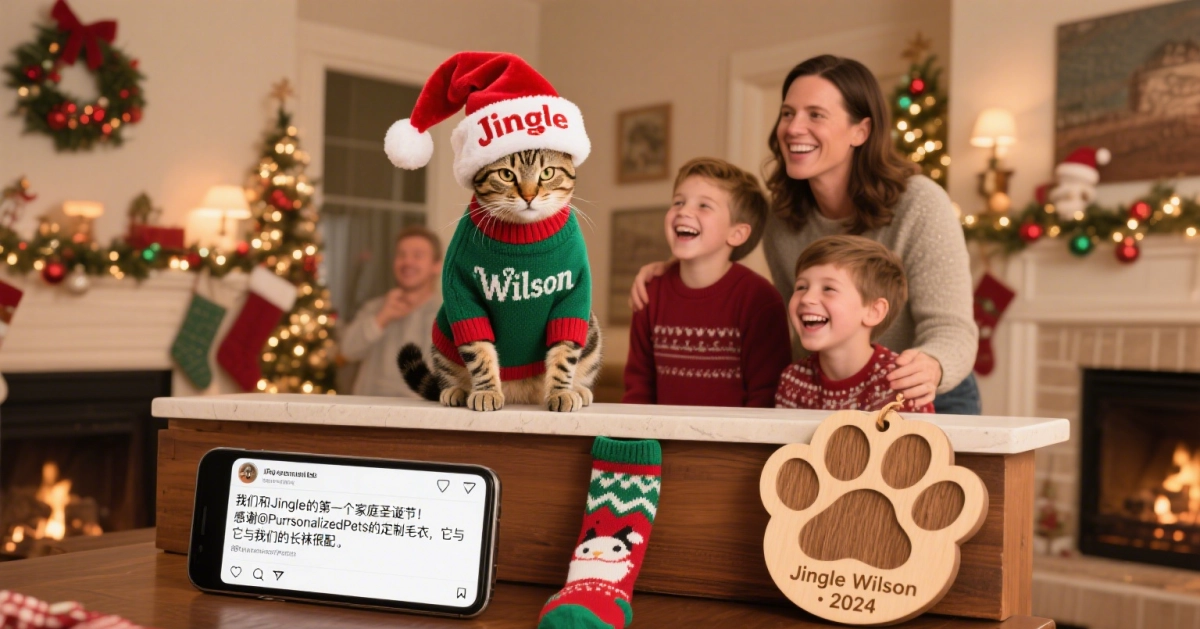
Pet owners enjoy showcasing their cat’s individuality. A sweater in custom colors, a raincoat with the cat’s name embroidered, or a seasonal costume aligned with a cultural holiday—these details foster deeper emotional engagement and encourage repeat purchases.
Brand Identity Through Customization
For B2B buyers, customization also becomes a tool for branding. A boutique retailer, for example, could offer a signature clothing line featuring exclusive designs that customers cannot find anywhere else. This not only drives loyalty but also positions the brand as a leader in pet fashion.
Higher Margins and Differentiation
Customized products justify premium pricing. Instead of competing in the crowded low-cost apparel market, businesses can command better margins while offering items that reflect exclusivity and craftsmanship.
Why Partnering with the Right Factory Matters
Behind every successful customized product line is a reliable supplier. Choosing the right pet clothes for cats factory is crucial to ensuring quality, scalability, and timely delivery.
Quality Assurance
Cat clothing must prioritize safety and comfort. Poor stitching, harsh materials, or ill-fitting designs can harm pets and damage brand reputation. Reputable factories use high-grade fabrics, pet-safe dyes, and rigorous quality control.
Flexibility in Customization
Factories that specialize in customization provide options for fabric selection, size adjustments, embroidery, labeling, and packaging. This level of flexibility allows brands to stand out in competitive markets.
Scalability and Supply Consistency
As demand grows, businesses must scale without sacrificing quality. Working with established pet clothes for cats factories ensures stable supply chains, bulk order capacity, and consistency across product lines.
Trends Driving the Future of Custom Cat Clothes
The growth of pet fashion is not slowing down. Several emerging trends highlight where this market is heading:
-
Eco-Friendly Fabrics: Sustainability is now a priority. Organic cotton, recycled polyester, and biodegradable packaging are becoming attractive selling points.
-
Seasonal Collections: Just like human fashion, seasonal drops for cats are gaining momentum—winter jackets, summer tanks, or holiday-themed outfits.
-
Smart Clothing: Wearables with integrated sensors for health tracking could redefine functionality in pet apparel.
-
Social Media Influence: Viral content showcasing cats in stylish outfits drives global demand, making customization even more appealing for B2B buyers.
How B2B Buyers Can Leverage Customization
For distributors and retailers, success lies in adapting quickly to consumer preferences while offering reliability.
-
Develop Exclusive Collections: Partner with factories to create signature designs that define your brand.
-
Focus on Packaging: Custom packaging enhances the unboxing experience and reinforces branding.
-
Target Niche Markets: From luxury apparel to themed costumes, niches offer higher margins and loyal customer bases.
-
Balance Cost and Innovation: While customizations may require initial investment, the long-term rewards in brand loyalty and margins far outweigh the risks.
Conclusion
The global pet apparel market has evolved from a niche into a thriving industry, with custom cat clothes at the forefront of this transformation. Sourcing from the right pet clothes for cats factory or larger pet clothes for cats factories enables businesses to combine creativity with reliability. For B2B buyers, customization is no longer a luxury—it is the key to building stronger customer connections, achieving higher margins, and standing out in a competitive landscape. Those who embrace this trend today will define the future of pet fashion tomorrow.
0 Comments