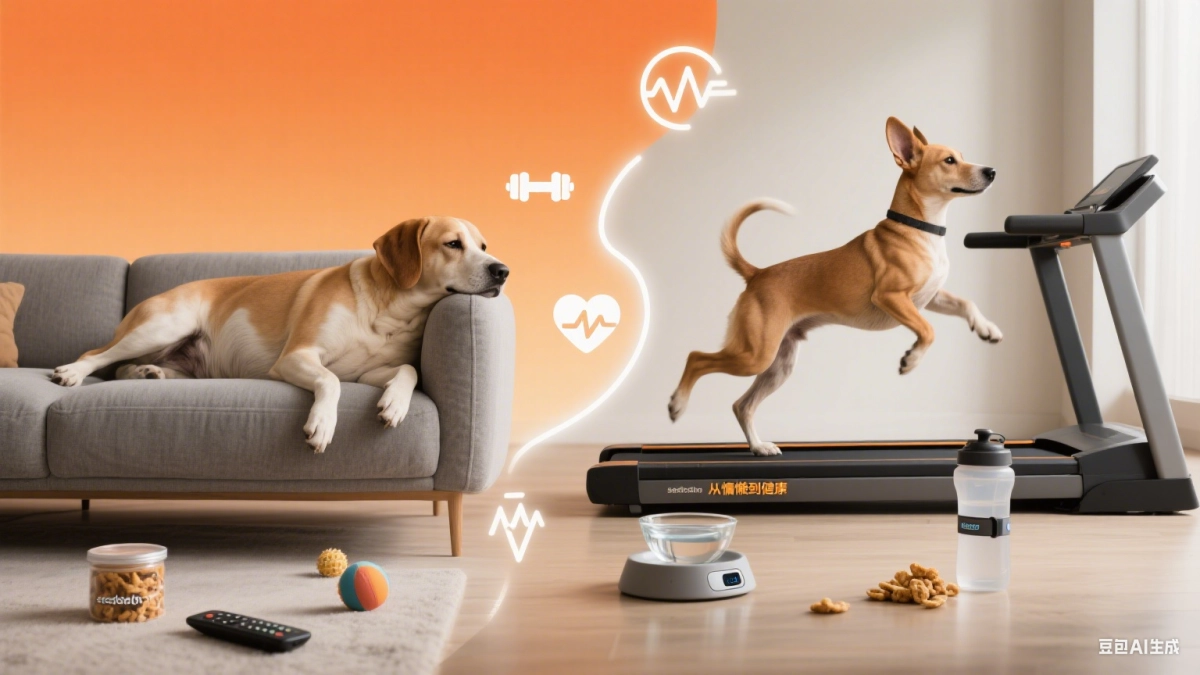
Introduction: A Modern Solution to Pet Inactivity
In a world where convenience and health go hand-in-hand, our pets deserve the same level of wellness care as we do. Dogs and cats, just like their human companions, need regular exercise to stay physically and mentally healthy. But with busy schedules, unpredictable weather, and safety concerns in public spaces, outdoor walks or play sessions aren’t always feasible.
That’s where a dog exercise machine comes in. It’s not just a novelty—it’s an essential wellness tool designed to offer consistent, controlled workouts for your four-legged friend. Whether you’re a proud corgi parent or a cat enthusiast with an indoor-only feline, modern treadmills built for pets are changing the way we care for them.
Section 1: Why Pet Fitness Is More Than a Trend
Pet obesity is rising at an alarming rate. According to veterinary studies, over 50% of dogs and cats in developed countries are overweight or obese. The consequences aren’t just aesthetic—excess weight can lead to diabetes, joint pain, cardiovascular disease, and a shortened lifespan.
Moreover, lack of activity often results in behavioral issues. Boredom and pent-up energy can lead to excessive barking, scratching, chewing, and even depression. Regular movement is essential for:
-
Maintaining ideal weight
-
Supporting joint and muscle health
-
Promoting better digestion
-
Reducing anxiety and destructive behaviors
This is particularly crucial for indoor pets or breeds that require a lot of activity, such as corgis or working dog breeds.
Section 2: How a Dog Exercise Machine Works
A dog exercise machine (also known as a pet treadmill) is a motorized or mechanical treadmill designed specifically for dogs (and sometimes cats). Unlike human treadmills, pet treadmills:
-
Feature lower platforms for easy access
-
Offer side barriers for safety and focus
-
Operate with quieter motors to prevent fear or stress
-
Provide speed settings optimized for four-legged gaits
For instance, a corgi treadmill is built with shorter running decks and incline options suitable for this breed’s unique stature. Similarly, cat treadmills cater to smaller, lighter pets with slower speed settings and more compact dimensions.
These machines are easy to use and safe when properly introduced. Over time, pets develop a routine and often enjoy their "indoor runs" as much as outdoor play.
Section 3: Is a Pet Treadmill Right for Your Dog or Cat?
You might wonder: will my pet actually use this? With proper introduction and training, the answer is almost always yes. Here’s how to know if a treadmill is right for your furry friend:
Perfect for:
-
Busy pet parents who can’t commit to daily walks
-
Urban dwellers with limited outdoor space
-
Pets recovering from surgery or on restricted outdoor activity
-
Breeds prone to obesity or high-energy needs (like corgis, huskies, terriers)
-
Cats who enjoy movement but live in indoor-only environments
Even cats—usually perceived as less trainable than dogs—can be gradually accustomed to a cat treadmill with the help of treats, encouragement, and patience.
Section 4: The Rise of Customization – From Memory Foam to Programmable Workouts
Modern pet fitness equipment is more advanced than ever. You can now find treadmills with:
-
Programmable speed and time intervals
-
Incline adjustments for resistance training
-
Quiet motors with shock absorption
-
Remote controls or app-based interfaces
-
Integrated safety harnesses
Some brands even pair their treadmills with orthopedic memory foam surfaces, which are especially beneficial for senior pets or those with joint issues.
Customization doesn’t stop at features—some manufacturers offer size adjustments or even color choices to better match your space or brand if you’re a pet-focused business.
Section 5: Training Tips – Helping Your Pet Fall in Love with the Treadmill
Don’t expect your pet to hop on the treadmill right away and start walking like a pro. Training is key, and here’s a basic roadmap:
-
Introduce Gradually: Let your pet sniff and explore the treadmill while it’s turned off.
-
Positive Reinforcement: Use treats and praise to build positive associations.
-
Start Slow: Begin at the lowest speed for a few minutes a day.
-
Consistency Matters: Short, daily sessions work better than long, irregular ones.
-
Monitor and Adjust: Observe your pet’s comfort level, and adjust speed or incline accordingly.
If done right, pets often view treadmill time as fun and engaging rather than forced exercise.
Section 6: What to Look for When Buying a Dog or Cat Treadmill
When choosing a dog exercise machine, consider the following criteria:
-
Size Compatibility: Ensure the treadmill fits your dog’s length and stride.
-
Safety Features: Side rails, emergency stop, and non-slip surface are must-haves.
-
Noise Level: Look for ultra-quiet motors to avoid scaring skittish pets.
-
Ease of Use: User-friendly controls make a big difference.
-
Storage & Portability: Foldable or compact models are ideal for smaller homes.
Check out models specifically marketed as corgi treadmills or cat treadmills to ensure breed-appropriate sizing.
Conclusion: Investing in Your Pet’s Health
A treadmill isn’t just for lazy days—it’s a long-term investment in your pet’s well-being. Whether you’re dealing with rainy weather, limited mobility, or an ultra-busy schedule, a dog exercise machine keeps your pet healthy, engaged, and happy all year round.
As pet parents, our responsibility extends beyond feeding and shelter—it includes mental stimulation and physical activity. With the right equipment and approach, keeping your pets active indoors has never been easier or more effective.
0 Comments