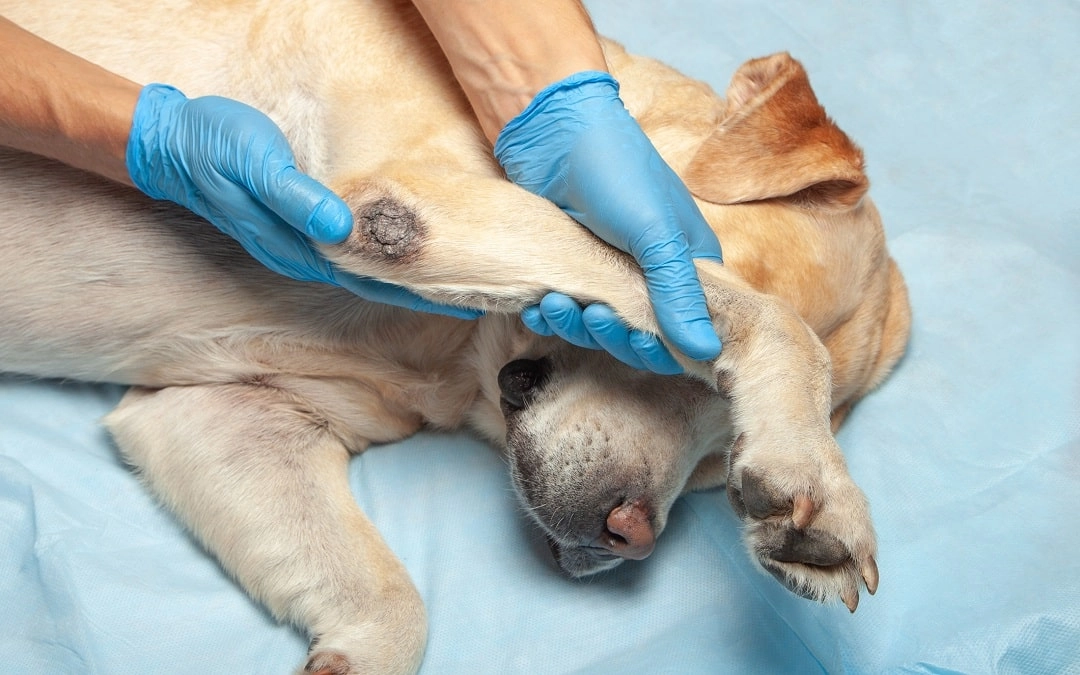
Providing Care and Solutions for Canine Joint Health
As pet care professionals, it's essential to understand the importance of maintaining the joint health of our canine companions. Elbow joint diseases can significantly impact a dog's quality of life, causing pain and mobility issues. In this blog post, we'll delve into the causes of elbow joint diseases in dogs, including conditions such as elbow dysplasia, osteoarthritis, and fragmented coronoid process. By understanding these diseases and their origins, we can take proactive steps to prevent and manage them, ensuring our beloved pets lead healthy and active lives.
Understanding the Elbow Joint
The elbow joint in dogs is a complex hinge joint that provides movement and stability to the front legs, enabling activities like running, jumping, and playing. This joint comprises the humerus, radius, and ulna bones, held together by ligaments and cushioned by protective cartilage. A healthy elbow joint allows for smooth, pain-free movement.
Common Elbow Joint Diseases
- Elbow Dysplasia: A developmental disorder caused by improper alignment of the elbow joint, leading to abnormal wear and tear.
- Osteoarthritis: A degenerative joint disease resulting from prolonged wear and tear, causing pain, inflammation, and reduced mobility.
- Fragmented Coronoid Process: A condition where a piece of the coronoid process detaches, causing pain, lameness, and joint deterioration.
Causes of Elbow Joint Diseases
Several factors contribute to the development of elbow joint diseases in dogs. Understanding these causes can help in taking preventive measures and providing appropriate care:
- Genetic Factors: Certain breeds are genetically predisposed to elbow joint diseases. Responsible breeding practices and genetic screening can reduce the incidence of these conditions.
- Overweight and Obesity: Excess weight puts additional stress on the joints, increasing the risk of joint diseases. Maintaining a healthy weight through a balanced diet and regular exercise is crucial.
- Trauma and Injury: Accidents, falls, and repetitive stress injuries can damage the elbow joint, leading to long-term issues.
- Nutritional Deficiencies: Inadequate nutrition during critical growth stages can affect joint development and increase the risk of joint diseases.
Prevention and Management
Preventive measures and early intervention are key to maintaining joint health in dogs. Here are some strategies to consider:
- Regular Exercise and Weight Management: Engage dogs in regular low-impact exercises to strengthen muscles and support joint health. Maintain a healthy weight through proper nutrition.
- Proper Nutrition and Supplements: Ensure a well-balanced diet that provides essential nutrients for joint health. Supplements like glucosamine and omega-3 fatty acids can support joint function.
- Regular Veterinary Check-ups: Routine check-ups help monitor joint health and detect early signs of joint diseases, allowing for timely intervention.
Treatment Options
Despite preventive measures, some dogs may still develop elbow joint diseases. Treatment options vary depending on the condition and severity:
- Furvorite Dog Elbow Brace: Provides gentle support and stability to the elbow joint, promoting healing and reducing pain. Ideal for dogs recovering from injuries or managing chronic joint conditions.
- Medications and Pain Management: Veterinarians may prescribe medications to alleviate pain, reduce inflammation, and slow disease progression.
- Physical Therapy and Rehabilitation: Rehabilitation exercises and therapies like hydrotherapy can improve joint mobility and strengthen muscles.
- Surgical Interventions: In severe cases, surgical procedures may be necessary to repair or stabilize the affected joint.
Conclusion
Understanding the causes of elbow joint diseases in dogs is crucial for prevention, early detection, and effective management. By focusing on proactive care, providing a balanced diet, maintaining a healthy weight, and seeking professional guidance, we can ensure our furry friends enjoy optimal joint health. Remember, your veterinarian is your most valuable resource for your dog's joint health. Together, we can provide the love, care, and support our canine companions deserve, ensuring they live their lives to the fullest.
Take the first step towards optimal joint health for your furry friend. Consult your veterinarian and explore the range of preventive measures, treatments, and supportive devices available. Trust in expert guidance, and together, we can make a positive difference in the lives of our beloved dogs.
0 Comments