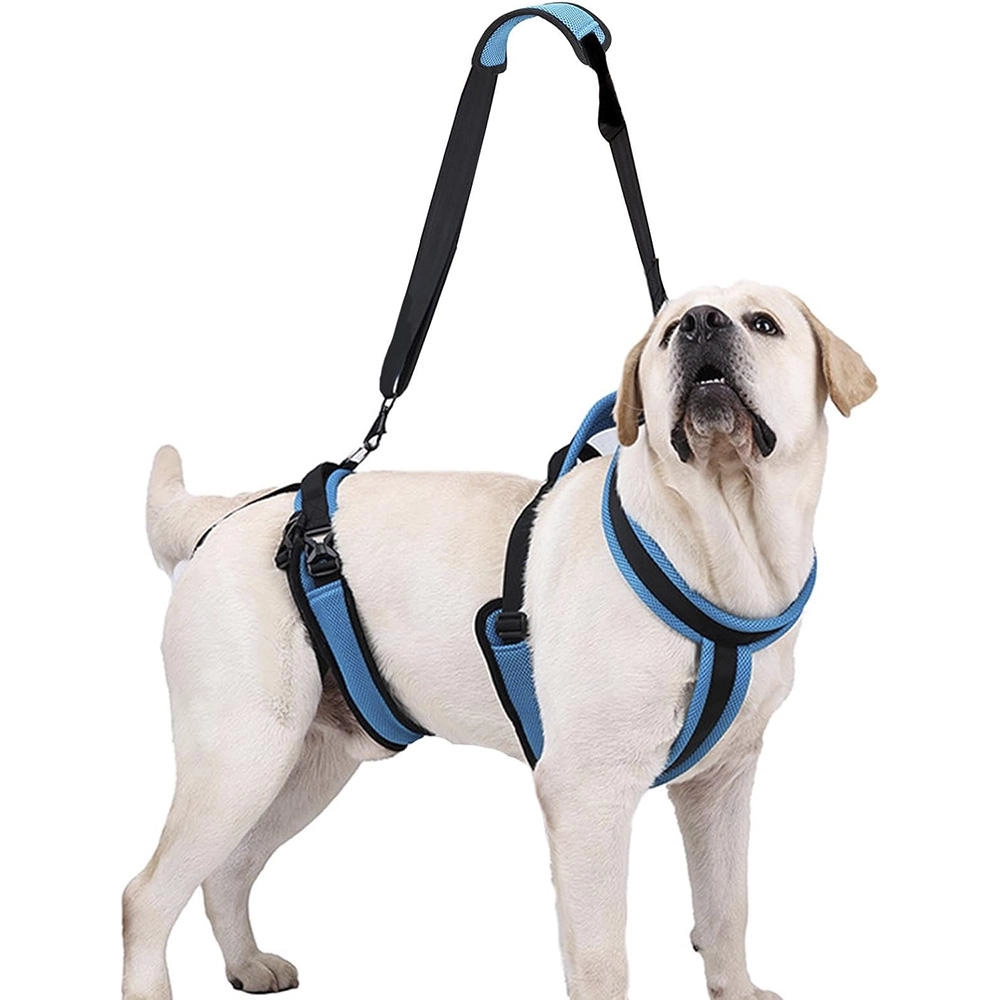
As a pet care professional, you’ve likely witnessed the heartbreak of a dog struggling with back pain—whether it’s a senior Lab with arthritis, a Dachshund recovering from IVDD, or a working dog sidelined by a stifle injury. For your clients, their dog’s comfort and mobility aren’t just priorities—they’re non-negotiables. And for your business, providing reliable, science-backed solutions to these common issues is key to building trust and standing out in a competitive market. That’s where
dog back support comes in—not just as a product category, but as a critical component of comprehensive canine care. In this guide, we’ll break down how to identify when a dog needs back support, the role of targeted devices like the dog stifle brace and
dog back brace for arthritis, and how to recommend the right solutions to your clients, ensuring you position your business as a trusted authority in canine orthopedic care.
Dog back pain and mobility issues are more common than many pet owners realize. According to veterinary research, nearly 20% of dogs will experience spinal discomfort at some point in their lives, with breeds like Dachshunds, Corgis, and Basset Hounds being particularly prone due to their long spines and short legs. For senior dogs, arthritis is a leading cause of back pain, while working dogs or those with active lifestyles may suffer from strains, sprains, or stifle injuries that impact their overall mobility. As a B2B partner, your role isn’t just to sell products—it’s to educate your clients, solve their problems, and help them provide the best possible care for their furry companions. This guide is designed to arm you with the knowledge you need to do just that, linking the benefits of dog back support to real-world canine health challenges.
Identifying the Signs: When a Dog Needs Back Support (And What Pet Owners Miss)
One of the biggest challenges pet owners face is recognizing the early signs of back pain in their dogs. Unlike humans, dogs can’t verbalize their discomfort, so they rely on subtle behavioral changes that are often easy to miss—especially for first-time pet parents. As a pet care professional, your ability to spot these signs and connect them to the need for dog back support is a valuable service that will set you apart from competitors.
Let’s start with the most common red flags. A dog experiencing back pain may exhibit: reluctance to jump on furniture or climb stairs, a hunched posture when standing or walking, stiffness when getting up from rest, favoring one leg, or excessive licking or chewing of the lower back or hind legs. For senior dogs, these signs are often dismissed as “just old age,” but they’re frequently indicators of underlying issues like arthritis or degenerative spinal disease. For younger dogs, especially those with long spines, sudden changes in behavior—like avoiding play or yelping when touched—could signal a spinal strain or IVDD (Intervertebral Disc Disease), a condition that requires immediate support to prevent further damage.
Another key indicator is changes in mobility related to the stifle joint (the dog’s knee). The stifle is critical for a dog’s ability to walk, run, and jump, and injuries or weakness here can put extra strain on the back. A dog with a stifle issue may limp, hold their leg at an odd angle, or struggle to extend their hind leg fully. In these cases, a combination of a dog stifle brace and targeted back support can help redistribute weight, reduce strain, and improve mobility—a connection many pet owners fail to make without guidance.
As a B2B partner, you can help bridge this knowledge gap by educating your clients on these signs during consultations or through your marketing materials. For example, creating a quick reference guide for pet owners on “5 Signs Your Dog Needs Back Support” can position your business as a helpful resource, while also highlighting the value of your products. Remember: the more your clients understand about their dog’s health, the more likely they are to invest in solutions like dog back support—and the more they’ll trust your expertise.
Beyond the Brace: How Dog Back Support Complements Holistic Canine Care
When pet owners hear “dog back support,” they often think of a rigid brace that restricts movement—but modern back support solutions are far more versatile, and they work best when integrated into a holistic care plan. As a pet care professional, it’s important to frame dog back support not as a “quick fix,” but as a tool that works alongside nutrition, exercise, and veterinary care to improve a dog’s quality of life. This holistic approach not only benefits the dog but also helps your clients see the long-term value of your products, leading to repeat business and referrals.
Let’s take the dog back brace for arthritis as an example. Arthritis is a progressive condition that causes inflammation and pain in the joints, including the spine. A well-designed back brace for arthritis doesn’t just stabilize the spine—it also provides gentle compression, which can reduce inflammation and ease discomfort. But when paired with a joint-supporting diet (rich in glucosamine and chondroitin), low-impact exercise (like short walks or swimming), and regular veterinary check-ups, the brace becomes part of a comprehensive plan that slows the progression of arthritis and keeps the dog active longer.
Similarly, a dog stifle brace can be a game-changer for dogs with stifle injuries or weakness, but it’s most effective when combined with physical therapy. The brace stabilizes the knee joint, allowing the dog to move without pain, while physical therapy strengthens the surrounding muscles, reducing the risk of re-injury. By recommending this combination, you’re not just selling a product—you’re providing a solution that addresses the root cause of the problem, not just the symptoms. This level of expertise is what turns casual clients into loyal customers.
It’s also important to emphasize that dog back support isn’t just for dogs with existing pain. Preventative support is a growing trend among pet owners, especially for breeds prone to spinal issues. For example, a Dachshund puppy may benefit from a lightweight back support brace during play to reduce strain on their developing spine, while a working dog may use a brace to prevent injuries during strenuous activity. By offering preventative solutions, you’re tapping into a new market segment and positioning your business as proactive, not just reactive.
Choosing the Right Dog Back Support: Key Factors for Pet Care Professionals to Recommend
With so many dog back support products on the market, it can be overwhelming for pet owners to choose the right one. As a B2B partner, your job is to simplify this process by recommending products that are safe, effective, and tailored to each dog’s unique needs. To do this, you need to understand the key factors that differentiate high-quality back support solutions from low-quality ones—and how to communicate these factors to your clients.
First and foremost, fit is non-negotiable. A poorly fitted back brace or stifle brace can do more harm than good, causing chafing, restricted movement, or even worsening pain. High-quality products will offer adjustable straps, multiple size options, and clear measurement guides to ensure a snug, comfortable fit. For example, a dog back brace for arthritis should fit securely around the torso without digging into the skin, while a dog stifle brace should allow for natural movement of the knee while still providing stability. As a professional, you can help your clients measure their dogs correctly and choose the right size—another value-added service that builds trust.
Material quality is another critical factor. Dogs are active creatures, so their back support devices need to be durable, breathable, and easy to clean. Look for products made from high-grade, non-toxic materials that can withstand daily wear and tear, while also being gentle on sensitive skin. Breathable fabrics are especially important for dogs that wear the brace for extended periods, as they prevent overheating and discomfort. Additionally, machine-washable materials make it easy for pet owners to keep the brace clean, which is essential for maintaining hygiene and preventing skin irritation.
Functionality is also key. Different dogs have different needs, so the back support solution should be tailored to their specific condition. For example, a dog recovering from IVDD may need a rigid brace that provides maximum spinal stabilization, while a senior dog with arthritis may benefit from a flexible brace that offers gentle support and pain relief. A dog stifle brace should have hinges that mimic the natural movement of the knee, allowing the dog to walk, run, and jump without restriction. By understanding the specific needs of each dog, you can recommend the right product and explain why it’s the best choice—positioning yourself as an expert.
Finally, consider the brand’s reputation and customer support. Pet owners want to invest in products from brands they can trust, so partnering with manufacturers that have a proven track record of quality and reliability is essential. Look for brands that offer warranties, clear return policies, and responsive customer support—these are all factors that will give your clients peace of mind. Additionally, brands that provide educational resources (like usage guides or video tutorials) can help your clients get the most out of their dog back support products, reducing the likelihood of returns and increasing customer satisfaction.
Real-World Impact: How Dog Back Support Transforms Lives (And Your Business)
To truly understand the value of dog back support, it’s important to look at real-world examples—stories of dogs that have regained mobility, reduced pain, and returned to their happy, active selves thanks to the right support. These stories not only resonate with pet owners but also help you demonstrate the tangible benefits of your products, making it easier to sell and build trust.
Take Max, a 7-year-old Labrador Retriever with arthritis in his lower back. Max’s owner noticed he was struggling to get up in the morning, avoiding walks, and sleeping more than usual. After consulting with a veterinarian, they decided to try a dog back brace for arthritis, along with a joint-supporting diet. Within two weeks, Max was moving more freely, jumping on the couch again, and even joining his owner for short walks. His owner was thrilled, and they became a loyal customer—referring friends and family to the pet care business that recommended the brace.
Another example is Bella, a 3-year-old Dachshund who suffered a stifle injury during play. Bella was limping and unable to put weight on her hind leg, and her owner was worried she would develop long-term mobility issues. A dog stifle brace was recommended to stabilize her knee, along with physical therapy. After a month of using the brace, Bella was back to running and playing, with no sign of pain. Her owner was so impressed that they started recommending the brace to other Dachshund owners in their community—generating valuable referrals for the pet care business.
These stories highlight the transformative power of dog back support—and the impact it can have on your business. When you help pet owners improve their dog’s quality of life, you build loyalty, generate referrals, and position your business as a trusted authority in canine care. Additionally, by offering a range of back support solutions (including dog back support, dog stifle braces, and dog back braces for arthritis), you can cater to a wide range of client needs, increasing your revenue and market reach.
Final Thoughts: Positioning Your Business as a Leader in Canine Back Support
In today’s competitive pet care market, standing out requires more than just selling products—it requires providing value, expertise, and solutions that truly make a difference. Dog back support is a growing category, driven by an increasing focus on pet health and wellness, and it presents a unique opportunity for B2B pet care businesses to differentiate themselves.
By educating your clients on the signs of back pain, promoting a holistic approach to care, recommending high-quality products, and sharing real-world success stories, you can position your business as a leader in canine back support. Remember: your clients don’t just want to buy a brace—they want to know that their dog is getting the best possible care, and they want to trust the professional they’re working with.
As you integrate dog back support into your product lineup, keep in mind that your role as a B2B partner is to support your clients every step of the way. Whether it’s helping them measure their dog, explaining how to use the product, or troubleshooting any issues, your expertise is what will keep them coming back. And as more pet owners recognize the value of dog back support, your business will grow—one happy, healthy dog at a time.
0 Comments