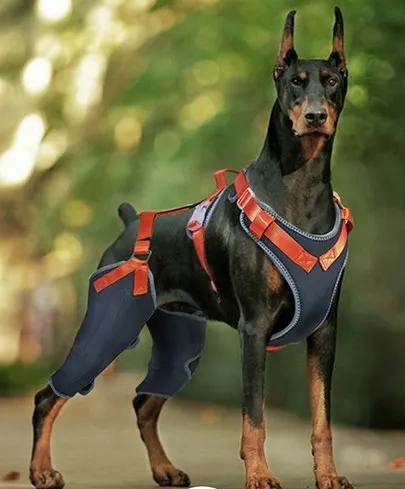
The Impact of Joint Diseases on Dog Health
Joint diseases are a common health issue in dogs, especially in senior dogs, certain genetically predisposed breeds, and active working dogs. As dogs age or engage in excessive physical activity, their joints may undergo degenerative changes, leading to joint pain, limited mobility, and other related issues.
Joint health directly impacts a dog’s quality of life and activity levels. Healthy joints allow dogs to run, jump, and play freely, while joint diseases can cause them pain and prevent them from moving normally. Joint problems not only result in noticeable discomfort but may also cause dogs to lose interest in daily activities, affecting their overall well-being and happiness.
If left untreated, joint diseases can lead to severe consequences, including joint deformities, bone loss, and even complete loss of mobility. Therefore, early detection and treatment of joint issues are crucial to slowing the progression of the disease, alleviating pain, and improving a dog’s quality of life.
Common Joint Diseases in Dogs
- Osteoarthritis (Degenerative Joint Disease)
Osteoarthritis is the most common joint disease in dogs, typically occurring with age or long-term overuse of the joints. It happens when the joint cartilage deteriorates and wears down, leading to increased friction between the bones, causing pain, inflammation, and restricted movement.
2. Hip Dysplasia
Hip dysplasia is a hereditary condition that commonly affects large dog breeds, such as shepherds and mastiffs. It results in incomplete development of the hip joint, making it unstable. This instability damages the bones and cartilage, leading to joint pain and difficulty in movement.
3. Elbow Dysplasia
Elbow dysplasia is another hereditary condition that usually occurs in large and medium-sized breeds. It causes abnormal development of the bones in the elbow joint, leading to instability and inflammation, which can result in pain and mobility issues.
4. Patellar Luxation
Patellar luxation refers to the dislocation of the kneecap (patella) from its normal position, leading to knee instability. It is commonly seen in small breeds like Chihuahuas and Poodles and typically causes sudden limping or the dog lifting its leg while walking.
5. Cruciate Ligament Injury (ACL Injury)
Cruciate ligament injuries usually occur in active medium to large-sized dogs, often after vigorous exercise. Damage to the cruciate ligament results in knee instability, leading to limping, pain, and in severe cases, the inability to walk normally.
6. Growing Pains (Osteochondrosis)
Growing pains are common in young dogs, especially in large breeds undergoing rapid growth. It occurs due to incomplete development or inflammation of the growth plates in the bones, often causing limping or reluctance to move.
Symptoms of Joint Diseases in Dogs
- Limping or Difficulty Walking
Dogs may show signs of limping, unsteady walking, or difficulty moving, especially in the mornings or after physical activity. - Reluctance to Move or Jump
Dogs may reduce their activity levels, refusing to engage in usual activities such as running, jumping, or climbing stairs. - Behavioral Changes, such as Excessive Resting
Due to joint pain, dogs may become quieter and rest excessively, avoiding any vigorous movement or exercise. - Painful Reactions to Touch
When touching or handling the joint area, dogs may show signs of discomfort, such as whining, pulling away, or trying to avoid touch. - Swelling, Heat, or Stiffness in the Joint Area
The affected joint may appear swollen, warm to the touch, or stiff, causing the dog to move awkwardly or have difficulty using that part of its body.
These symptoms may be early signs of joint issues in dogs. Prompt identification and appropriate action can help alleviate pain and improve your dog's quality of life.
Auses of Joint Diseases in Dogs
- Genetic Factors
Some joint diseases, such as hip dysplasia and elbow dysplasia, are hereditary, particularly in certain dog breeds. These genetic predispositions can lead to abnormal joint development. - Age
Older dogs are more prone to osteoarthritis due to the natural wear and tear of their joints over time. As dogs age, the cartilage in their joints degenerates, leading to pain and stiffness. - Obesity
Being overweight or obese increases the strain on a dog's joints, leading to or worsening joint problems. Excess weight accelerates joint wear and tear, especially in weight-bearing joints like the hips and knees. - Excessive or Improper Exercise
Excessive physical activity or inappropriate high-intensity exercise can hasten the degeneration of a dog’s joints. It can also result in injuries that cause long-term joint issues. - Trauma or Injury
Accidents and injuries can lead to joint damage, such as ligament tears or fractures, which can cause joint instability, pain, and long-term health problems.
Treatment Options for Joint Diseases in Dogs
- Medications
Anti-inflammatory drugs, pain relievers, and joint supplements (such as glucosamine and chondroitin) are commonly used to alleviate joint pain and inflammation. - Physical Therapy
Physical therapy treatments like joint braces, hydrotherapy, massage, and laser therapy can help improve joint mobility and reduce pain, enhancing the dog's overall comfort and function. - Surgical Treatment
For severe joint conditions (such as hip dysplasia or torn cruciate ligaments), surgery may be necessary. Procedures like joint replacement or ligament repair can provide long-term relief and restore joint function. - Lifestyle Adjustments
Providing a comfortable resting environment and avoiding high-impact activities like excessive jumping or running can help reduce strain on the affected joints and prevent further damage.
The Importance of Caring for Your Dog's Joint Health
Maintaining your dog’s joint health is crucial for its overall well-being and happiness. Early detection and treatment of joint issues can significantly improve a dog’s quality of life, helping them stay active, comfortable, and pain-free.
Pet owners should regularly monitor their dog’s joint health, watch for signs of discomfort, and take appropriate preventive measures. By doing so, you can ensure your dog enjoys a long, healthy, and active life.
0 Comments