Introduction
As a trusted provider of innovative pet products, Furvorite is committed to supporting the health and well-being of dogs. Joint diseases, particularly those affecting the intricate structures in a dog's feet, can lead to significant discomfort and hinder mobility. This comprehensive guide aims to raise awareness about foot joint diseases in dogs, shedding light on their causes and how products like foot braces can play a crucial role in treatment and management.
Importance of Understanding Dog Joint Diseases
Dogs rely heavily on their limbs for daily activities such as walking, running, and playing. Healthy joints are integral to their happiness and overall well-being. Various factors, including aging, genetics, injury, and lifestyle, can lead to joint diseases that cause pain and reduce mobility. The feet, housing numerous small bones, tendons, and ligaments, are critical to a dog's movement. When these structures are compromised, dogs can experience significant pain and limitations.
Common Causes of Dog Foot Joint Diseases
Arthritis and Osteoarthritis
- Arthritis can affect any joint, including the small joints in a dog's feet. It often develops due to wear and tear or joint instability, causing significant discomfort and affecting the dog's ability to walk and run normally.
Dysplasia
- Dysplasia refers to the abnormal development of a joint. While commonly associated with hips and elbows, dysplasia can also affect the joints in the feet, impacting their structure and function.
Ligament and Tendon Injuries
- Sprains, tears, and ruptures of the ligaments and tendons in the feet can lead to instability and pain. These injuries are common in active dogs and may occur from high-impact activities or sudden changes in movement.
Fractures and Trauma
- Accidents or trauma can cause fractures in the bones of a dog's feet. Healing from these fractures can be complex and may result in long-term joint complications.
Infections and Systemic Diseases
- Infections such as septic arthritis can lead to severe joint damage. Systemic diseases like autoimmune conditions can also target the joints, including those in the feet.
Congenital Defects
- Some dogs are born with deformities or developmental issues in the bones and joints of their feet, leading to joint diseases from a young age.
Symptoms of Foot Joint Diseases in Dogs
Recognizing the signs of joint diseases in your dog's feet is crucial for early intervention and treatment:
- Limping, favoring a particular leg, or lameness
- Stiffness, especially after rest or in cold weather
- Swelling or inflammation of the feet or toes
- Reluctance to engage in physical activities
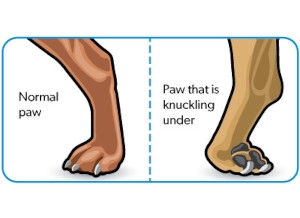
- Changes in gait, such as a hopping motion or holding a leg up while standing
Preventive Measures for Healthy Dog Feet
Proper Nutrition and Weight Management
- Maintaining a healthy weight reduces stress on a dog's joints. Incorporating joint supplements early on can provide necessary support for joint health.
Regular Exercise and Physical Activity
- Regular, low-impact exercise helps maintain joint mobility and muscle strength. Avoid activities that put undue stress on the feet, especially for breeds prone to joint issues.
Regular Veterinary Check-Ups
- Annual veterinary check-ups help identify joint problems early and allow for prompt treatment. Your veterinarian can provide guidance on your dog's specific breed and any predispositions they may have to joint diseases.
How Furvorite Foot Braces Help Manage Foot Joint Diseases
Foot joint diseases in dogs can be effectively managed with the right products. Furvorite offers innovative solutions such as adjustable toe-training socks and toe fracture braces, providing significant support and stabilization to damaged joints, promoting healing and recovery.
Support and Stabilization
- An injured or weak joint benefits from a brace's support, allowing for more natural movement and preventing further damage.
Promoting Healing
- With appropriate intervention, some joint diseases, such as injured tendons or ligaments, can heal. Braces aid in this process by providing necessary support to the foot.
Maintaining Function
- In cases where the joint is permanently impaired but not significantly damaged enough to require amputation, a brace can maintain functional movement, ensuring a good quality of life for the dog.
When to Consult a Veterinarian
If you notice any of the symptoms mentioned earlier, it's vital to consult with a veterinarian who can diagnose the issue and recommend the best course of action. Treatment options may include:
- Medication for pain management and inflammation
- Physical therapy to strengthen muscles and maintain mobility
- Surgical interventions for severe injuries or developmental issues
Conclusion
Understanding and addressing foot joint diseases in dogs are crucial for maintaining their health and well-being. By being proactive in identifying symptoms, implementing preventive measures, and utilizing innovative products like Furvorite's foot braces, you can provide your four-legged clients with the best care possible.
Partner with Furvorite to offer high-quality, supportive products tailored to your clients' needs, helping their dogs lead full and happy lives even in the face of joint diseases. Contact us today to explore our range of innovative solutions and learn how we can support your business and your clients' pets.
0 Comments