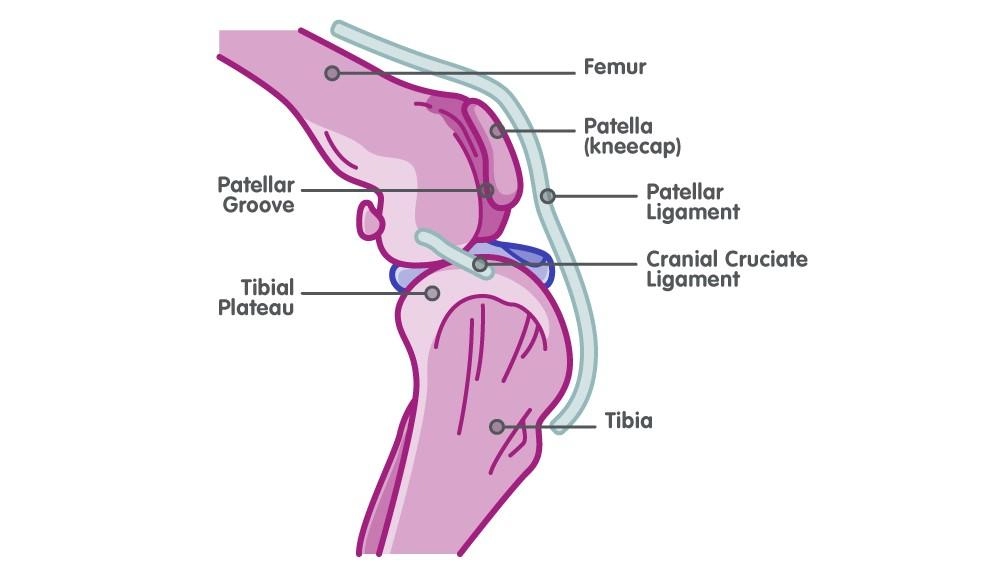
Introduction
Ensuring the joint health of our beloved canine companions is crucial for their overall well-being. Knee joint diseases can significantly impact a dog's ability to move, play, and enjoy life. In this blog post, we will explore the causes of knee joint diseases in dogs and provide insights into prevention and management strategies to support their joint health and enhance their quality of life.
Understanding Dog Joint Diseases
Joint diseases, such as arthritis, hip dysplasia, and osteochondritis dissecans, can cause pain, stiffness, and mobility issues in dogs. Knee joint diseases are particularly concerning due to their prevalence and the significant impact they have on a dog's ability to walk, run, and play. By understanding the underlying factors that contribute to these conditions, we can take proactive measures to prevent and manage them effectively.
Causes of Knee Joint Diseases
Several factors contribute to the development of knee joint diseases in dogs:
- Genetics: Certain breeds have a higher predisposition to knee joint diseases due to inherited traits.
- Age-Related Factors: Degenerative changes in joint cartilage as dogs age can lead to knee joint diseases.
- Obesity: Excess weight puts additional stress on the joints, increasing the risk of knee joint problems.
- Trauma and Injuries: Ligament tears, fractures, and other injuries can exacerbate knee joint diseases.
Prevention and Management
Proactive measures and early intervention are key to maintaining healthy knee joints in dogs:
- Regular Exercise and Weight Management: Engage dogs in regular, low-impact exercises to strengthen muscles and support joint health. Maintaining a healthy weight is crucial to reducing strain on the joints.
- Balanced Diet: Provide a nutritious diet tailored to support joint health. Consider supplements like glucosamine and omega-3 fatty acids to enhance joint function.
- Proper Training Techniques: Avoid excessive jumping or strenuous activities that can stress the knee joints.
- Regular Veterinary Check-ups: Routine check-ups allow for early detection of any signs of discomfort or abnormalities, enabling timely intervention and effective management.
Treatment Options
When knee joint diseases develop, a multimodal approach is often recommended:
- Medications: Non-steroidal anti-inflammatory drugs (NSAIDs) can help alleviate pain and reduce inflammation.
- Physical Therapy and Rehabilitation: Tailored exercises and therapies can strengthen surrounding muscles, improve joint stability, and enhance mobility.
- Surgical Interventions: In severe cases, surgical procedures may be necessary to repair damaged ligaments or correct structural abnormalities.
Introducing the Furvorite Dog Knee Brace
As part of the treatment options, Furvorite offers the Dog Knee Brace, an innovative solution for dogs suffering from knee joint diseases. This specially designed brace provides stability and support to the knee joint, reducing pain and aiding in the recovery process. Crafted with care and precision, the Furvorite Dog Knee Brace is a safe and non-invasive option to enhance your dog's comfort and mobility.
Endorsed by veterinary professionals and backed by testimonials from satisfied customers, the Furvorite Dog Knee Brace has proven to be a reliable aid in managing knee joint diseases. It is important to use the brace under the guidance of a veterinarian to ensure it meets each dog's unique needs.
Conclusion
Proactive joint care is essential for ensuring our dogs live happy, healthy lives. By understanding the causes of knee joint diseases and implementing appropriate preventive measures, we can minimize the risk and impact of these conditions. Prioritizing our furry friends' joint health and seeking veterinary guidance when needed will help them enjoy a life full of vitality and joy.
Take the first step towards optimal joint health for your dog. Consult your veterinarian and explore the range of preventive measures, treatments, and supportive devices available. Together, we can make a positive difference in the lives of our beloved canine companions.
0 Comments